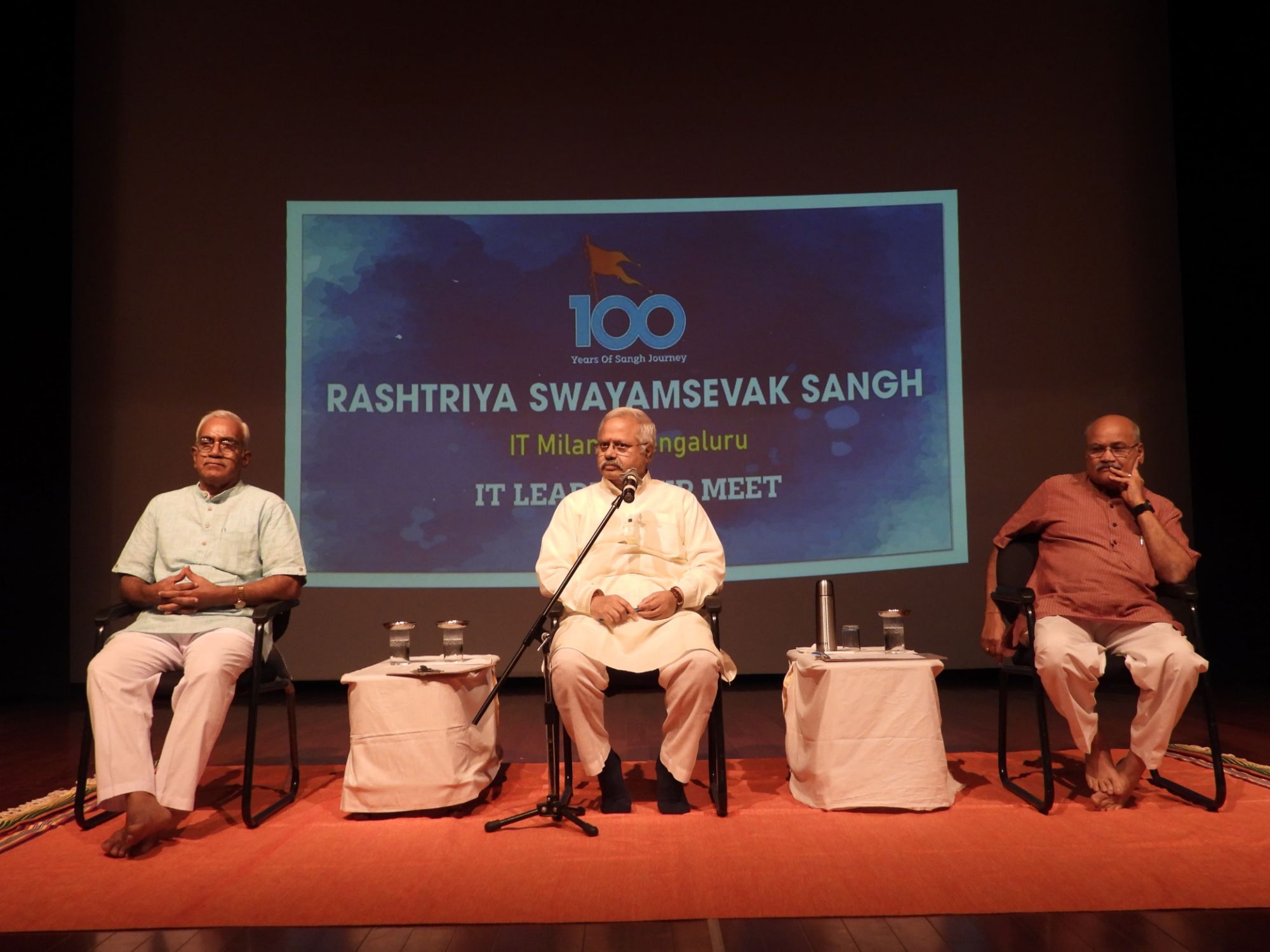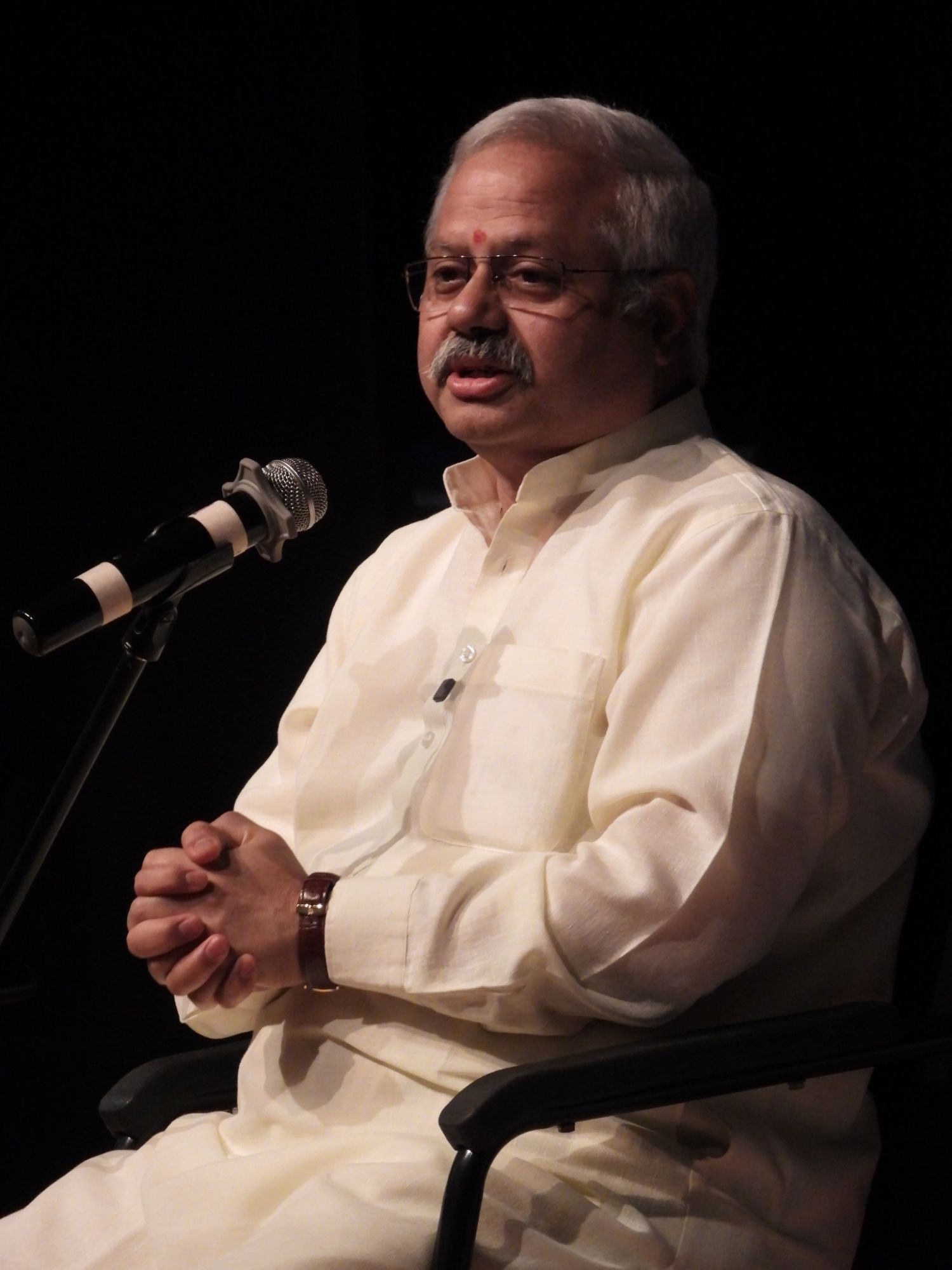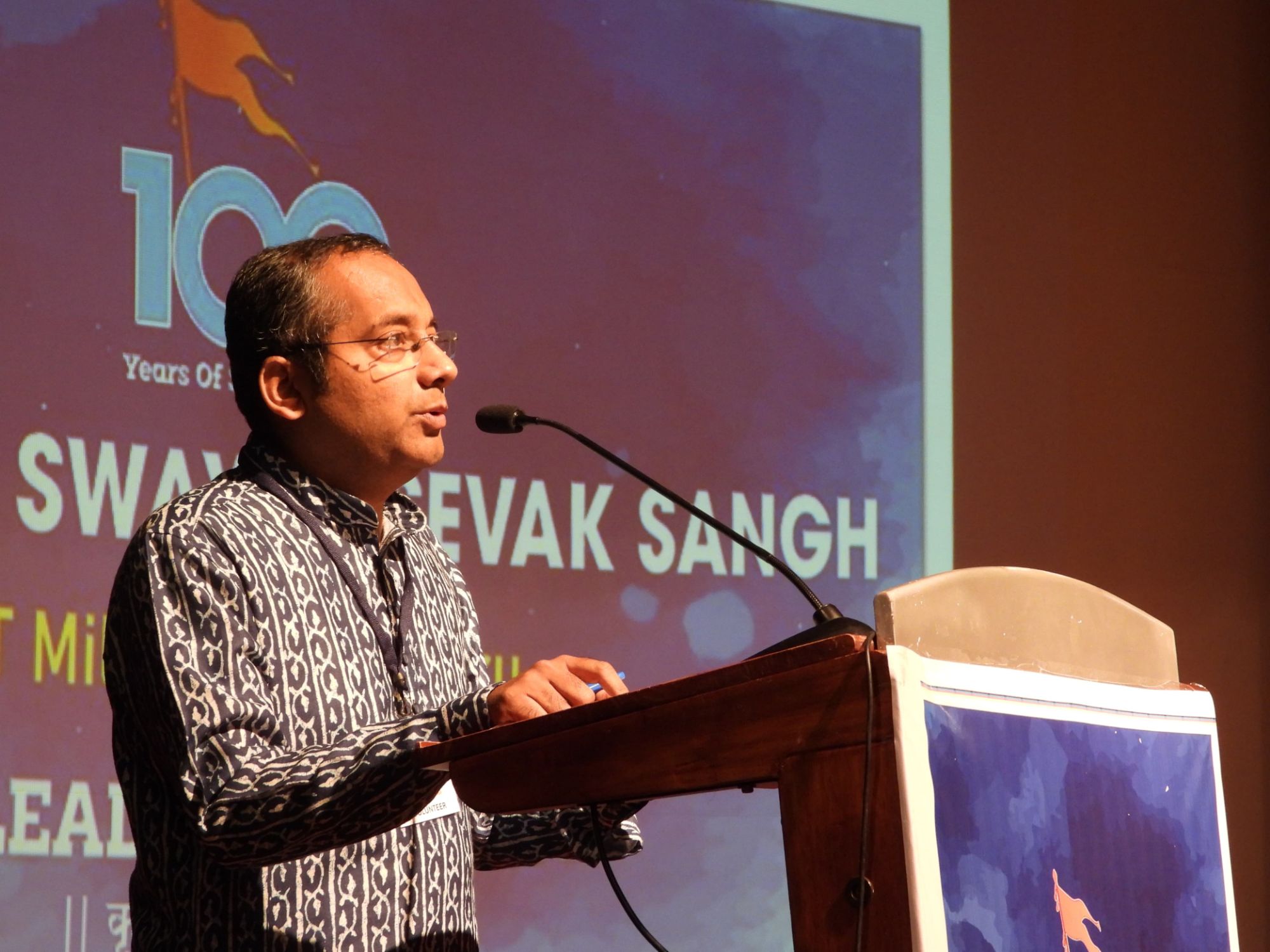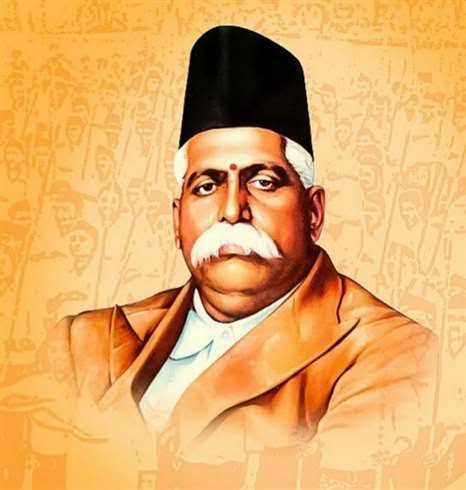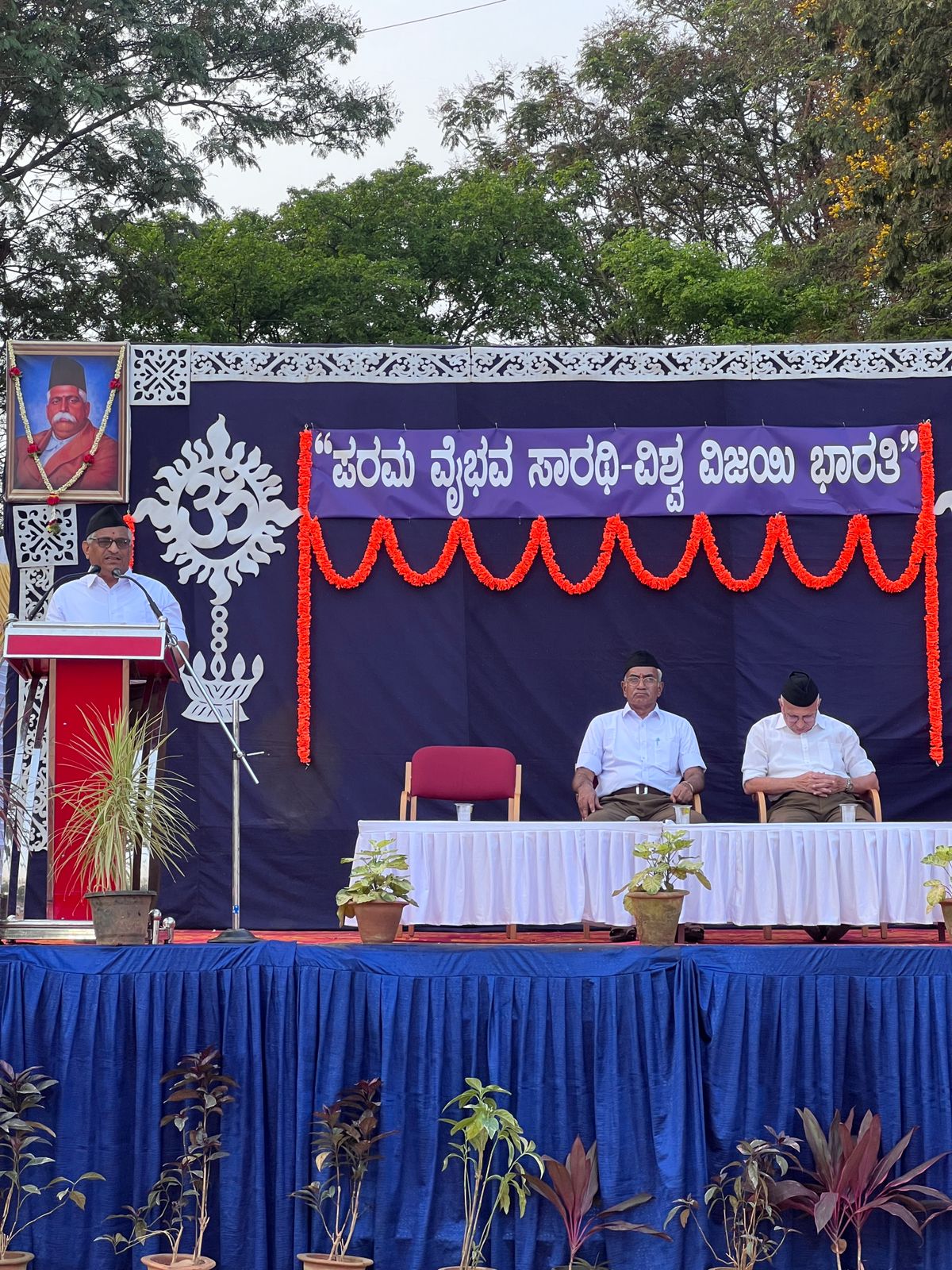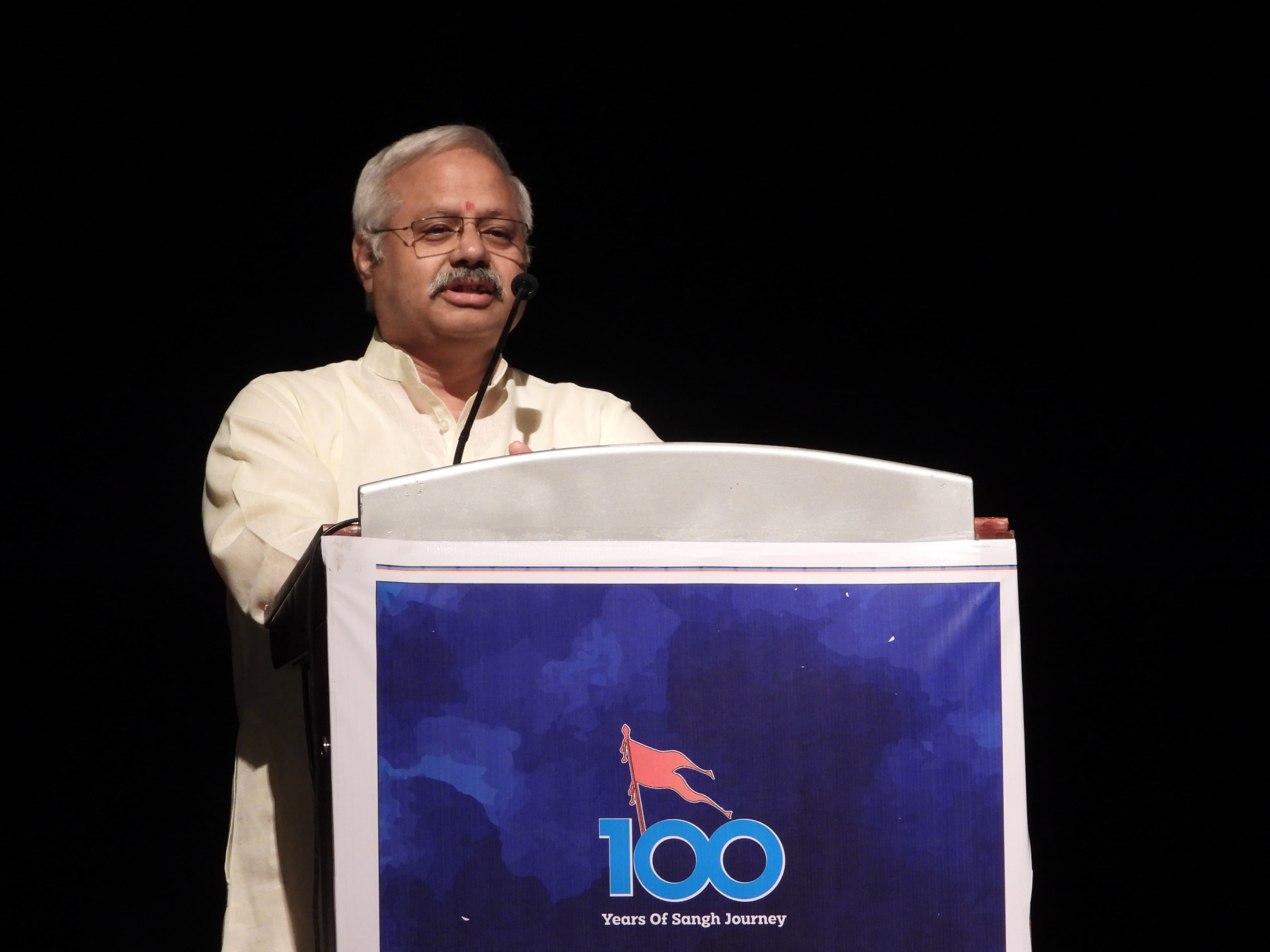
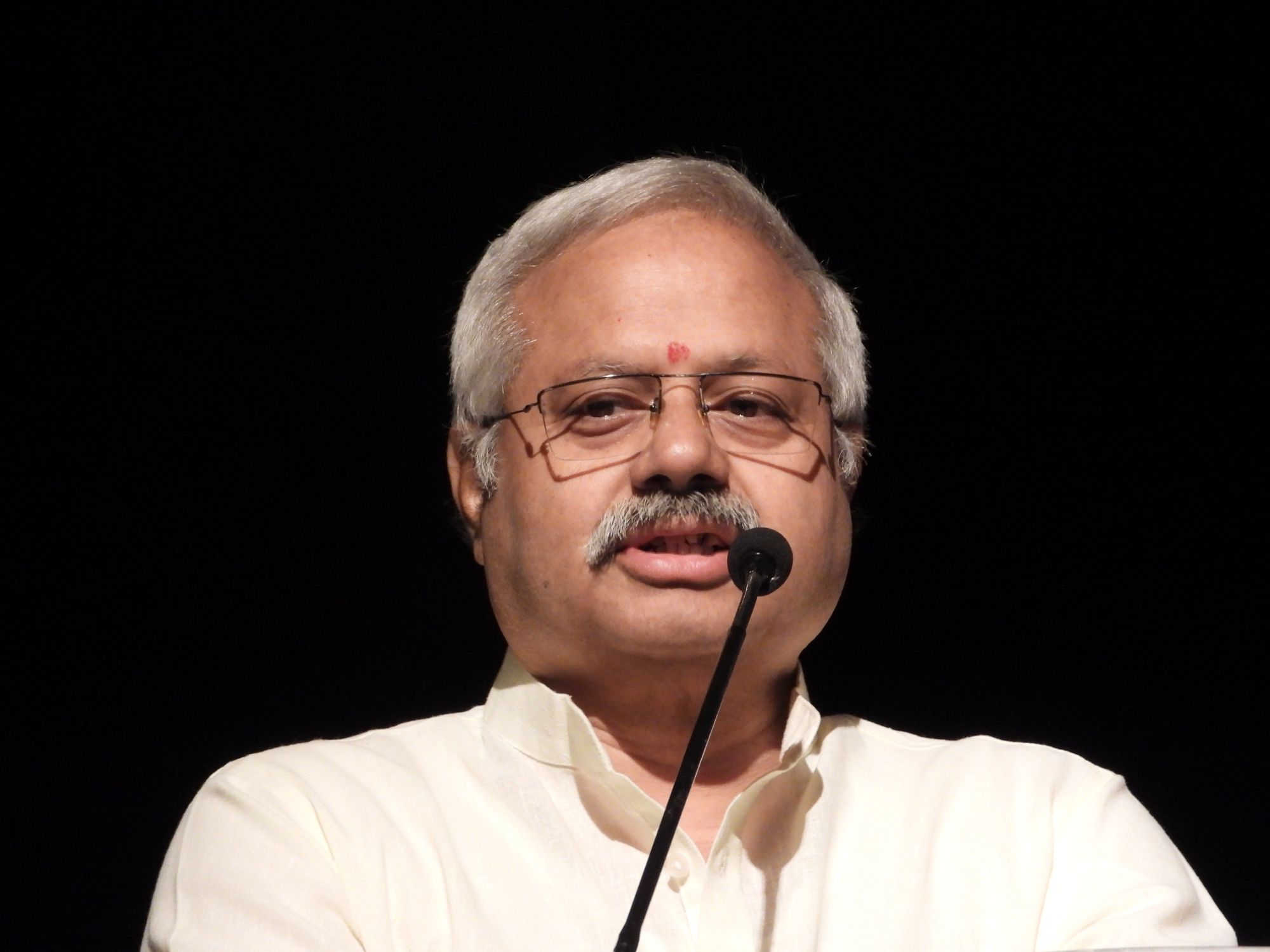
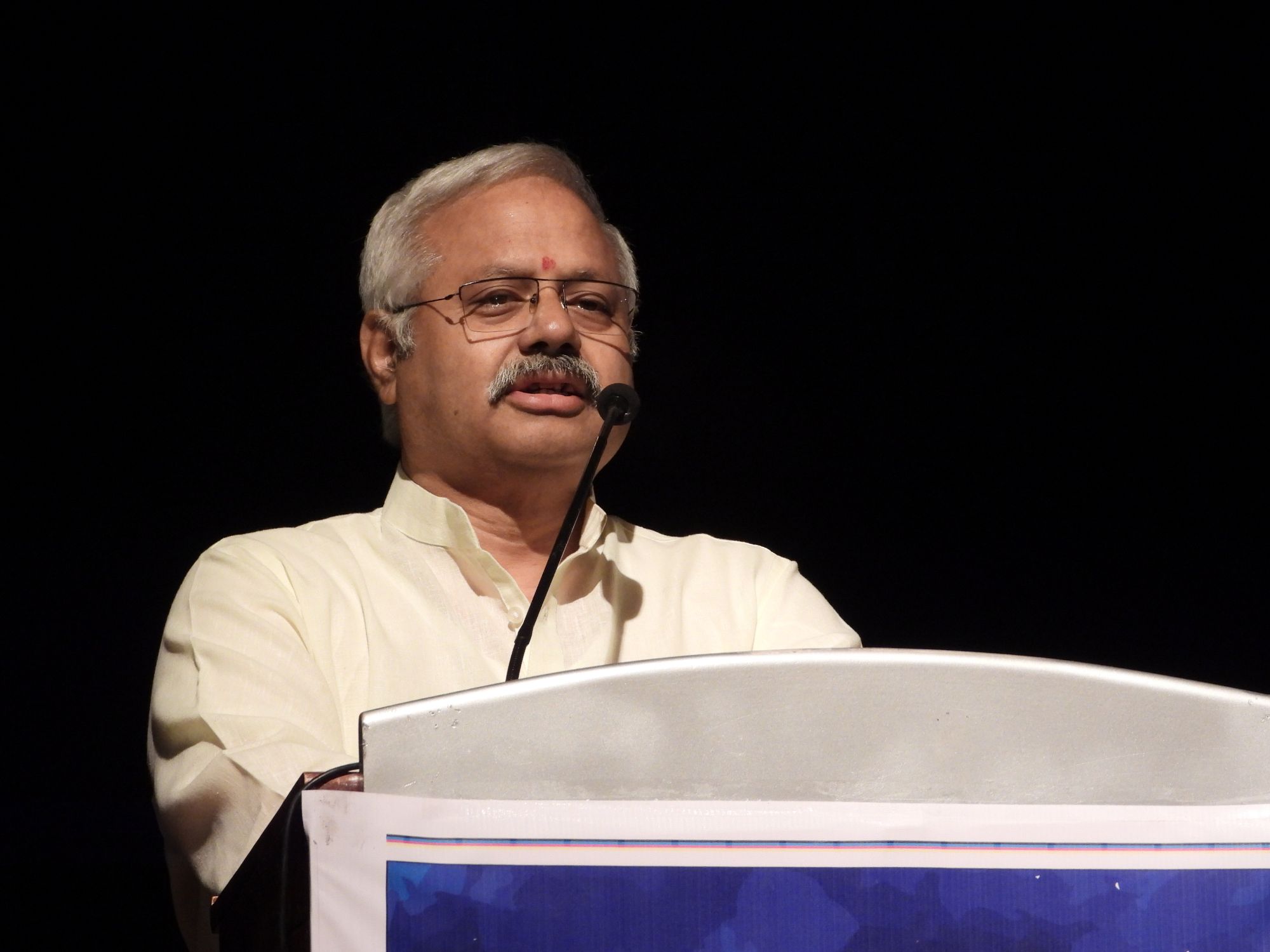
22 February 2026, Bengaluru: Sunil Ambekar, Akhil Bharatiya Prachar Pramukh of the Rashtriya Swayamsevak Sangh (RSS), addressed IT Leadership Meet held at CMRIT in the centenary year of the Rashtriya Swayamsevak Sangh organized by the IT Milans Bengaluru. He said that the RSS, founded in 1925 by Dr. Keshav Baliram Hedgewar in Nagpur, has grown from a single Shakha into a nationwide volunteer-based organisation working across the country. He added that the purpose of the interaction was not to persuade but to communicate and provide a first-hand understanding of the RSS, noting that many people today prefer to learn about the organisation directly from its practitioners rather than through secondary narratives.
Elaborating on the founder’s vision, Sunil Ambekar highlighted Dr. Hedgewar’s early nationalist orientation, including his student activism during the Vande Mataram movement and later involvement in revolutionary and Congress activities. He noted that Hedgewar’s experiences led him to conclude that long-term national regeneration required disciplined, selfless individuals rooted in cultural confidence, social unity, and character, which could not be achieved through political platforms alone. This led to the creation of an independent, non-political organisational framework focused on developing dedicated swayamsevaks capable of serving society in different walks of life..
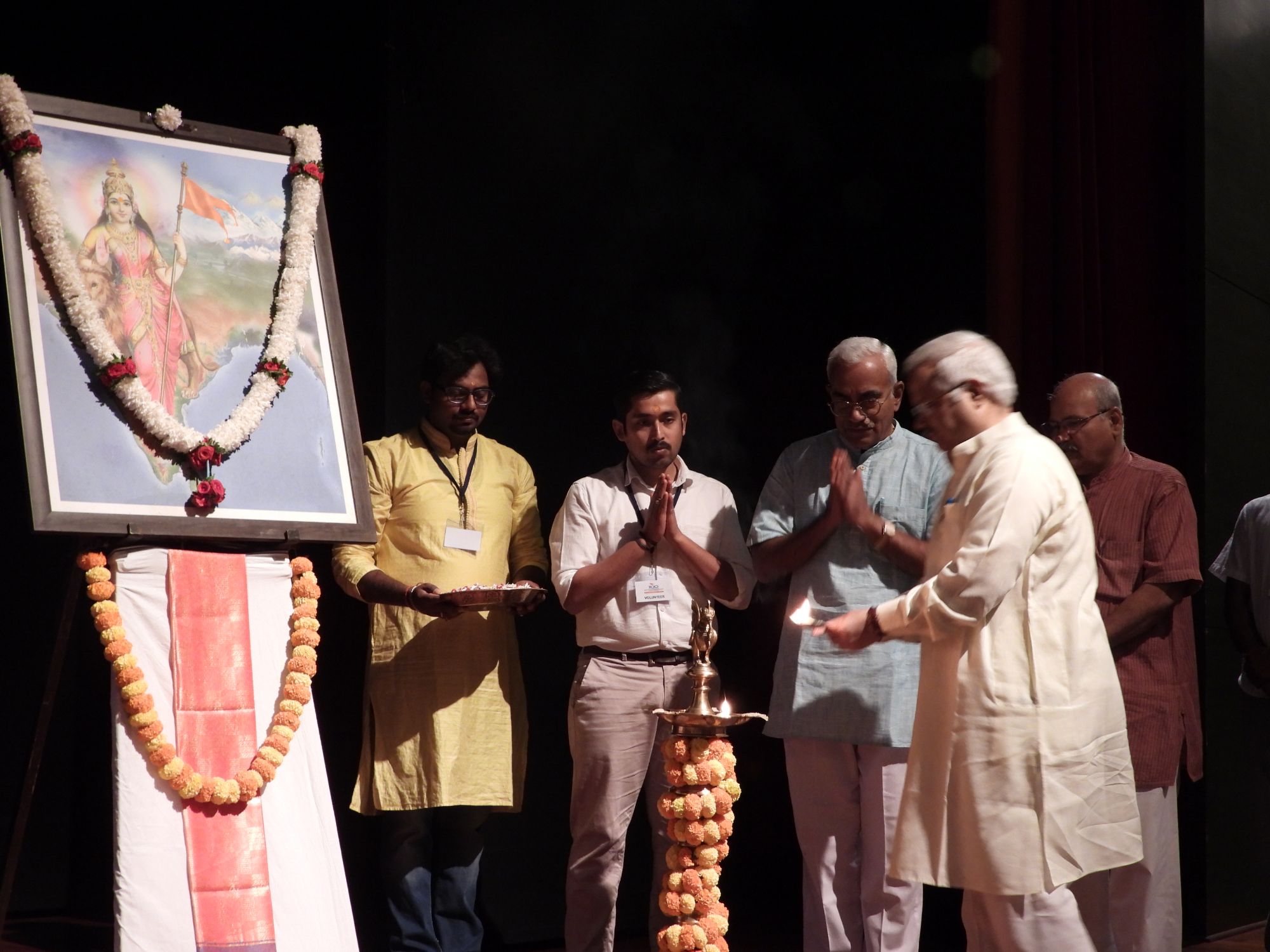
Ambekar explained that the core methodology of the RSS is the daily Shakha, a one-hour structured gathering designed to inculcate discipline, teamwork, social responsibility, and national consciousness from an early age. He clarified that the RSS is neither a political party, paramilitary body, nor merely a service organisation, but a nation-building movement engaged across multiple dimensions of national life through volunteer initiatives and various affiliated organisations in student, labour, tribal, and various such sectors. He also referred to historical phases such as organisational expansion across regions including Karnataka through early pracharaks such as Yadav Rao Joshi, relief and rehabilitation efforts during Partition, resistance during the Emergency, and the continued growth of the organisation through selfless volunteer work rather than political or financial power.
Touching upon ideological aspects, he described “Rashtriya” and “Hindutva” in civilizational and cultural terms, emphasizing the realization of oneness, shared heritage, and unity in diversity as foundational to India’s national identity. He stressed that the organisation seeks to connect all sections of society and opposes divisive tendencies such as separatism, terrorism, and social fragmentation, while advocating social harmony and national integration.
Referring to the centenary initiatives, Ambekar spoke about “Pancha Parivartana” (five-fold social transformation), including social harmony beyond caste discrimination, environmental responsibility through lifestyle changes, strengthening of family systems (Kutumba Prabodhan), promotion of swadeshi practices such as language, food, and local traditions, and greater emphasis on civic duties alongside rights. He underlined that national transformation cannot be achieved by any single organisation alone and requires active participation of society, especially families and professionals, in preserving cultural values while embracing modern economic, technological, and AI-driven advancements.
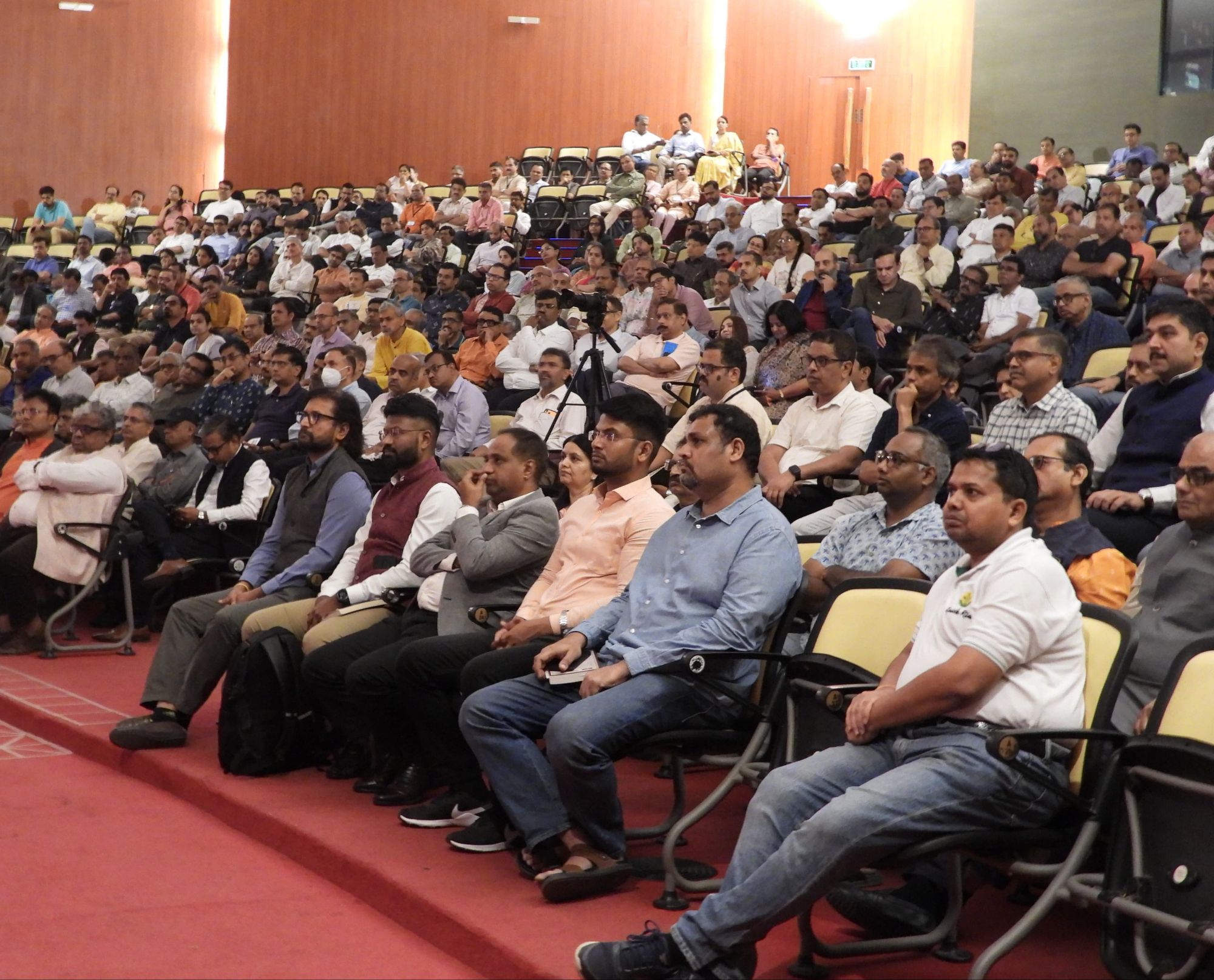
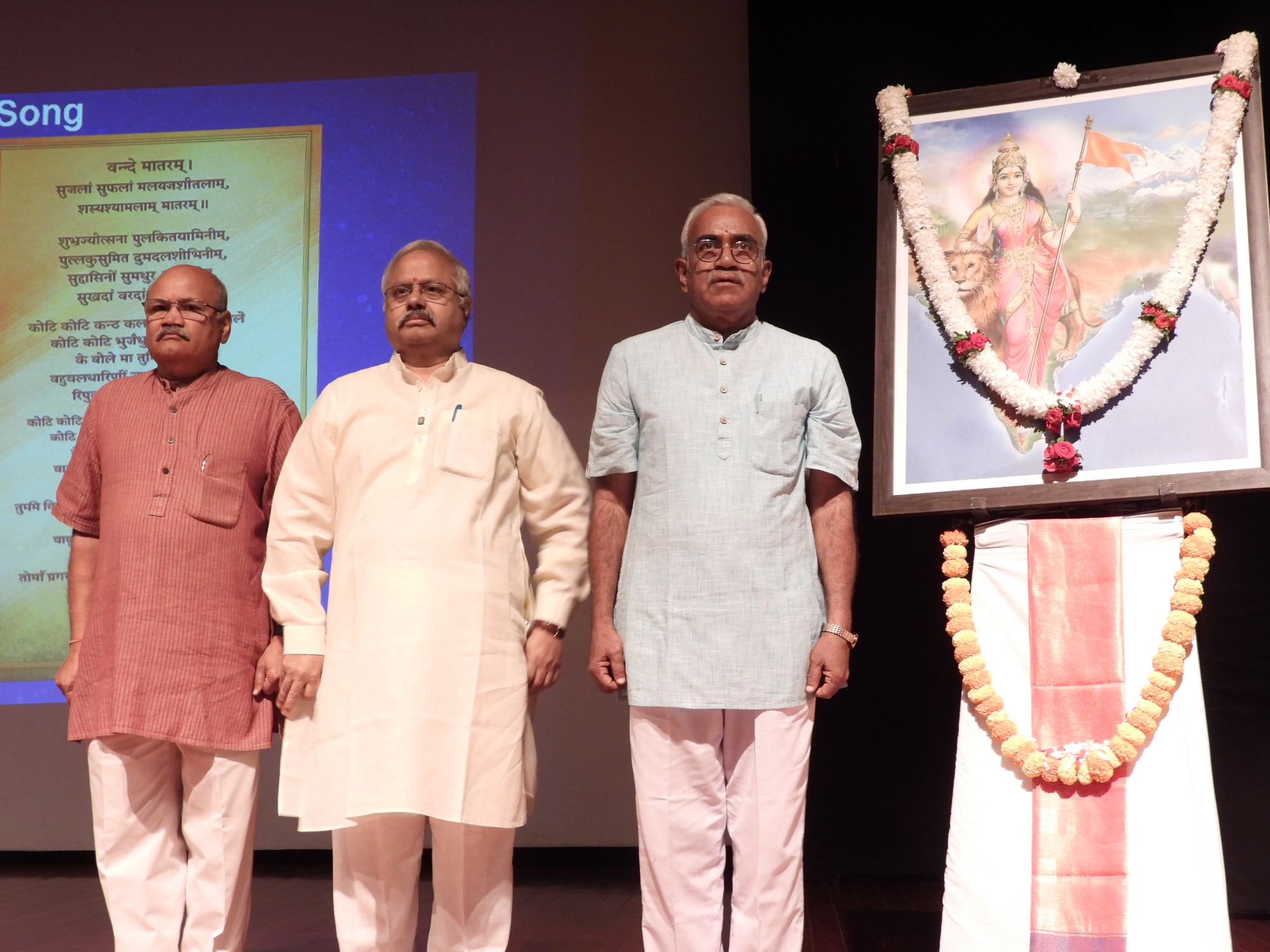
Shri G. S. Umapati, Karnataka Dakshin Prant Sanghachalak, and Shri Milind Gokhale, Bangalore Mahanagar Sanghachalak, shared the dais with Sunil Ambekar. The meet saw the participation of nearly one thousand attendees, including a significant presence of women professionals from the IT sector and diverse industries, reflecting wide professional engagement with the centenary outreach initiative and the growing interface between technology leadership and societal discourse. The one-hour session was followed by an interactive one-hour Q&A session.