– Written by Dr. Likith Gowda N M
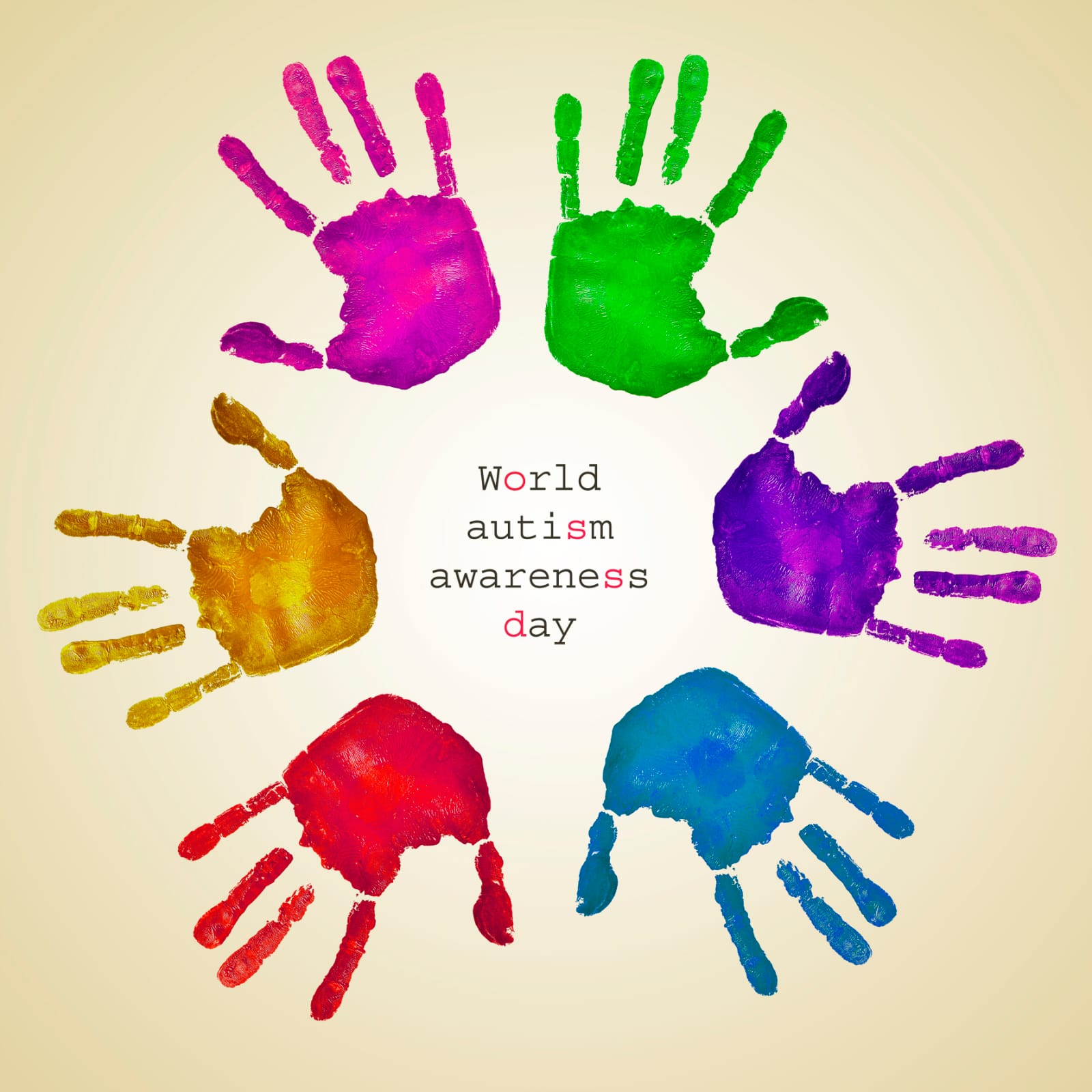
Every year on April 2, the world observes World Autism Awareness Day. For many people, it may appear as just another date—another campaign, another hashtag. But for some families, this day feels deeply personal. It reflects their everyday life – their struggles, their learning, their quiet victories.
Autism is not something they think about once a year. It is present in morning routines, school preparations, therapy sessions, and even in the smallest moments – like a child learning to say a word, make eye contact, or simply feel comfortable in a noisy room. This day is not just about awareness; it is about recognizing these lived experiences.
Understanding Autism: More Than a Definition
Autism Spectrum Disorder (ASD) is described as a condition affecting communication, behaviour, and social interaction. But beyond textbooks, autism is about how a person experiences the world.
A child with autism may not respond when called – not because they are ignoring you, but because their brain processes sound differently. They may avoid eye contact, not out of disinterest, but because it feels uncomfortable. Some may repeat certain actions or words, finding comfort in patterns that make their world feel predictable. Autism is called a spectrum because no two individuals are the same. Some may need constant support, while others may grow into independent adults with unique talents. Each person carries their own way of understanding and interacting with life.
Theme of the World Autism Day–2026 is “Autism and Humanity – Every Life Has Value”
Breaking Myths: Seeing Beyond Assumptions
There are still many misunderstandings about autism. One of the most common is that individuals with autism do not feel emotions or empathy. In reality, many feel deeply – sometimes even more intensely than others—but may express it differently . A child may not hug their parents but may sit quietly beside them. A teenager may struggle with conversation but may show care through small, consistent actions. These are not signs of absence of emotion, but different ways of expressing it. Another belief is that autism needs to be “cured.” But autism is not a disease – it is a different way of being. Trying to “fix” a person often does more harm than good. What individuals with autism need is not correction, but understanding and support.
The Journey of Families: Strength Behind the Scenes
For many parents, the journey begins with a feeling that something is different. It may be delayed speech, unusual behavior, or a lack of social response. The process of diagnosis can be overwhelming, filled with questions and uncertainty . But alongside this uncertainty comes strength. Families learn to adapt, to celebrate small milestones, and to find joy in progress that others may overlook. A single word that’s been spoken after months of silence, a moment of connection, or a step toward independence—these become their victories of celebrating . Therapies such as speech therapy, occupational therapy, and behavioural interventions often become part of their daily life. But beyond therapy, what truly makes a difference is the patience, love, and consistent support.
Autism in India: Reality on the Ground
In India, awareness about autism is growing, but challenges are still very real. Many families struggle to access the proper diagnosis and therapy, especially in rural and semi-urban areas that India has. Even today, social stigma can lead to denial or delay in seeking help . Parents often face not just the challenge of raising a child with autism, but also the burden of societal judgment and their talks behind them. Simple outings can become stressful due to lack of understanding from others. This is why awareness is important – but acceptance is even more important.
Government Support: Steps in the Right Direction
The Indian government has taken important steps to support individuals with autism through policies and schemes. One such framework is the National Trust Act, 1999, which focuses on the care, protection, and empowerment of individuals with developmental disabilities. Schemes like the Niramaya Health Insurance Scheme help families manage the cost of therapy and medical care. The Samarth Scheme focuses on early support and education, while the Gharaunda Scheme provides long-term care options for adults who may not have family support in the future. Programs like Samagra Shiksha are also working toward inclusive education, helping children with autism learn in regular classrooms with the support they need. These efforts may not solve everything, but they offer hope and direction.
The Role of Society: Small Changes, Big Impact
While policies are important, real change happens in everyday life. It happens in how we react when we see a child behaving differently in public. It happens in classrooms where teachers choose patience over punishment. It happens when peers choose inclusion over exclusion . Sometimes, what a person with autism needs is not a solution, but understanding. A little patience. A little kindness. A little space to be themselves.
Neurodiversity: Changing the Way We See Autism
In recent years, the idea of neurodiversity has helped change perspectives. It reminds us that not all brains work the same way – and that is okay. Many individuals with autism have unique strengths. Some have incredible memory, some notice details while others miss, and some think in ways that lead to creativity and innovation. When we focus only on difficulties, we miss these strengths . Seeing autism through the lens of neurodiversity allows us to value differences rather than fear them.
Towards Independence: The Importance of Opportunity
Every individual deserves a chance to live with dignity. Many people with autism are capable of working, learning, and contributing to society. What they often lack is not ability, but opportunity . Workplaces that are flexible and inclusive can make a huge difference. When given the right environment, individuals with autism can thrive and bring unique value to their roles.
Supporting Families: The Invisible Effort
Behind every person with autism is a family that supports them every single day. The effort, patience, and emotional strength required are immense. Families need support too – through counseling, community groups, and understanding from society . When families feel supported, they are stronger. And when they are stronger, individuals with autism have a better chance to grow and succeed.
From Awareness to Acceptance
World Autism Awareness Day is not just about spreading information – it is about changing how we think and act. At its heart, this day asks us to be more human. To pause before we judge, to understand before we react, and to include rather than exclude. Because for a person with autism, acceptance is not a grand gesture – it is found in small, everyday moments. A classroom that welcomes them, a workplace that respects them, a society that does not stare but understands. When these small changes come together, they would create something powerful—a world where differences are not just accepted, but respected. And in building such a world, we are not just helping individuals with autism—we are becoming better as a society.