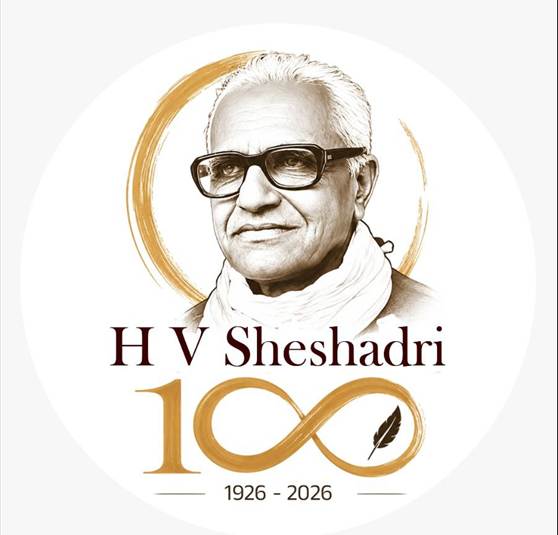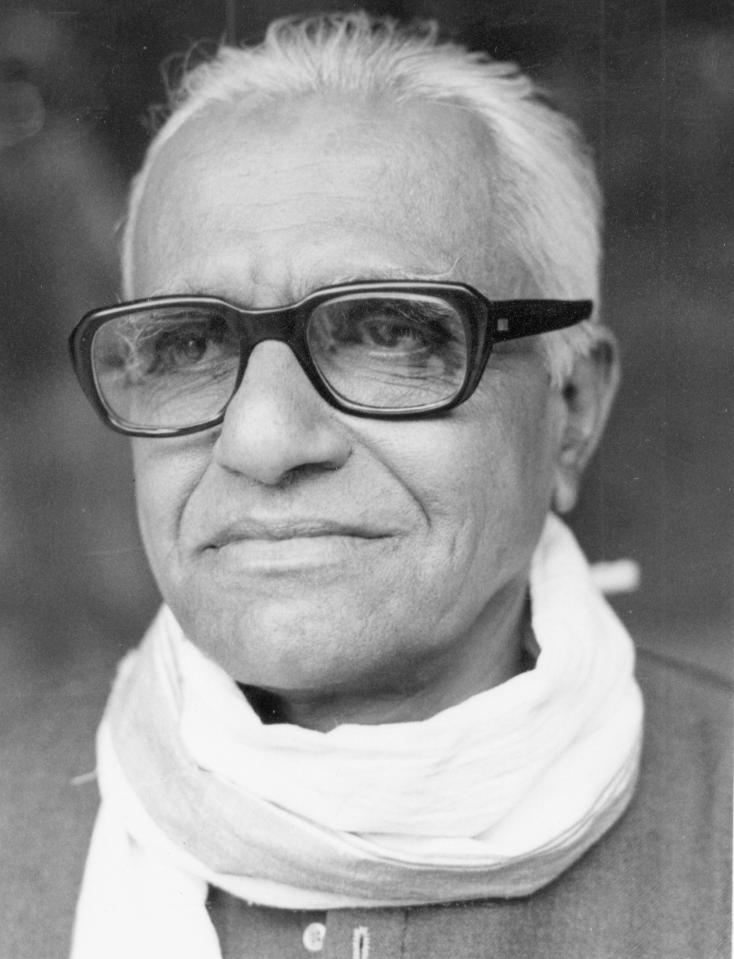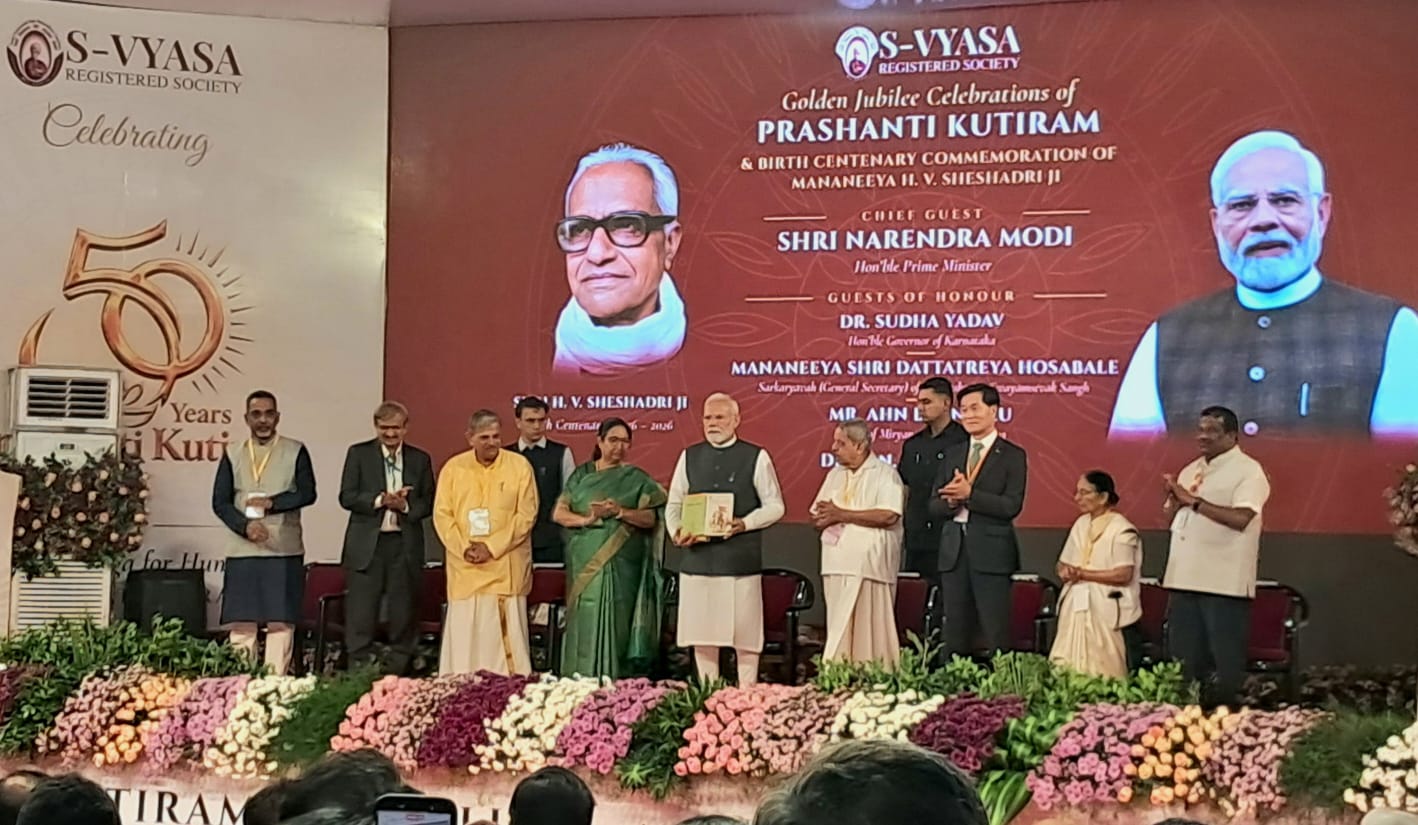
Bengaluru, Nov 13: RSS veteran H V Seshadriji exemplified the ideal Swayamsevak through his extraordinary simplicity, intellectual depth, organisational commitment and lifelong dedication to nation-building, RSS general secretary Dattatreya Hosabale said on Friday, presenting his life as a model for generations of volunteers.
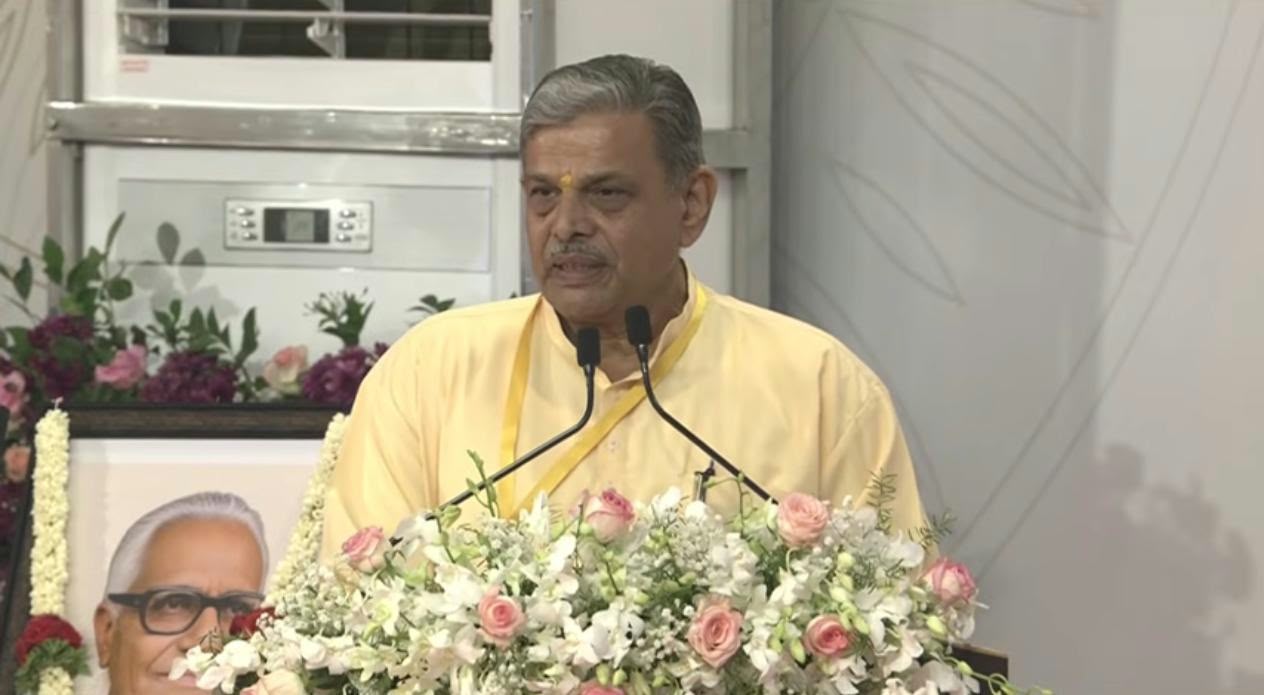
Addressing the birth centenary celebrations of Seshadri, held alongside the golden jubilee celebrations of Swami Vivekananda Yoga Anusandhana Samsthana (S-VYASA) here, Hosabale said Seshadri demonstrated how a person could combine scholarship with humility, leadership with personal affection and organisational responsibility with complete detachment from material comforts.
Illustrating his approach to leadership, Hosabale recalled how Seshadri once noticed that an RSS worker had not properly tied his shoelaces. Instead of merely pointing it out, Seshadri bent down and tied them himself. The worker later recalled that Seshadri had not just tied his shoelaces but had bound him to the Sangh and the nation for the rest of his life.
“This is how Seshadri ji connected people with the organisation and the nation,” Hosabale said, highlighting how even seemingly ordinary gestures could leave a lasting impression and inspire lifelong commitment.
He also recalled an incident involving a broken shaving mirror to illustrate Seshadri’s simplicity and sense of humour. When Hosabale suggested that he replace the broken mirror, Seshadri replied that he needed to see only that much of himself and did not require the rest.
When told that looking into a broken mirror was traditionally considered inauspicious, Seshadri responded that there was nothing more auspicious left for him to seek in life, as everything he had set out to achieve had already happened.
Hosabale said such incidents reflected the personality of a man who never allowed his intellectual accomplishments or organisational stature to translate into personal privilege. Despite being an M.Sc. gold medallist, Seshadri lived with exceptional simplicity and remained accessible to ordinary workers.
After briefly working as a teacher, Seshadri dedicated himself full-time to the Rashtriya Swayamsevak Sangh and went on to discharge several organisational responsibilities. He served as the RSS Sarkaryavah, or general secretary, for 13 years, making a significant contribution to the organisation’s growth, Hosabale said.
Describing him as a multi-dimensional personality, Hosabale said Seshadri’s contribution extended well beyond organisational leadership. He authored 32 books, while his collected writings ran into more than 4,000 pages, dealing with Indian civilisation, culture, society, history and the responsibilities of young people.
His writings reflected an extensive study of Indian knowledge traditions as well as international thinkers and literature. Through his works in Kannada, English and Hindi, he sought to provide guidance not only to organisational workers but also to teachers, farmers, traders and people from different walks of life.
Hosabale also highlighted Seshadri’s contribution to expanding the RSS’s service activities. The initiative, initially developed in Karnataka under the guidance of Yadav Rao Joshi, gradually evolved into a nationwide service network, with Seshadri playing an important role in its expansion.
A frequent traveller, Seshadri reached remote villages and maintained personal relationships with thousands of volunteers. He wrote more than 10,000 letters to workers, offering guidance, encouragement and emotional support, Hosabale said.
His approach to organisational work was rooted in personal engagement. During his travels, he would interact with families of volunteers, including children and young people, and encourage them to understand and practise yoga, the Bhagavad Gita and Indian cultural values.
Hosabale said Seshadri viewed yoga not merely as a tool for individual physical and mental well-being but as a means of social transformation and nation-building. Through his work on ‘Yoga: The Social Imperative’, he emphasised that yoga should become an integral part of life and contribute to the welfare of humanity.
Connecting Seshadri’s philosophy with the Bhagavad Gita, Hosabale described him as an embodiment of a ‘sattvic’ worker — one who performs his duties with enthusiasm, remains free from personal attachment and maintains equanimity in success and failure.
The ideal Swayamsevak, as reflected in Seshadri’s life, was one who combined discipline with compassion, knowledge with humility and commitment with selflessness, Hosabale said.
He also congratulated S-VYASA on completing 50 years, commending its contribution to advancing yoga through scientific research, academic validation, healthcare applications and international outreach.
The institution, led by its president H R Nagendra, vice-president Nagarathna and their team, had helped establish yoga and yogic sciences on a wider international platform, he said.
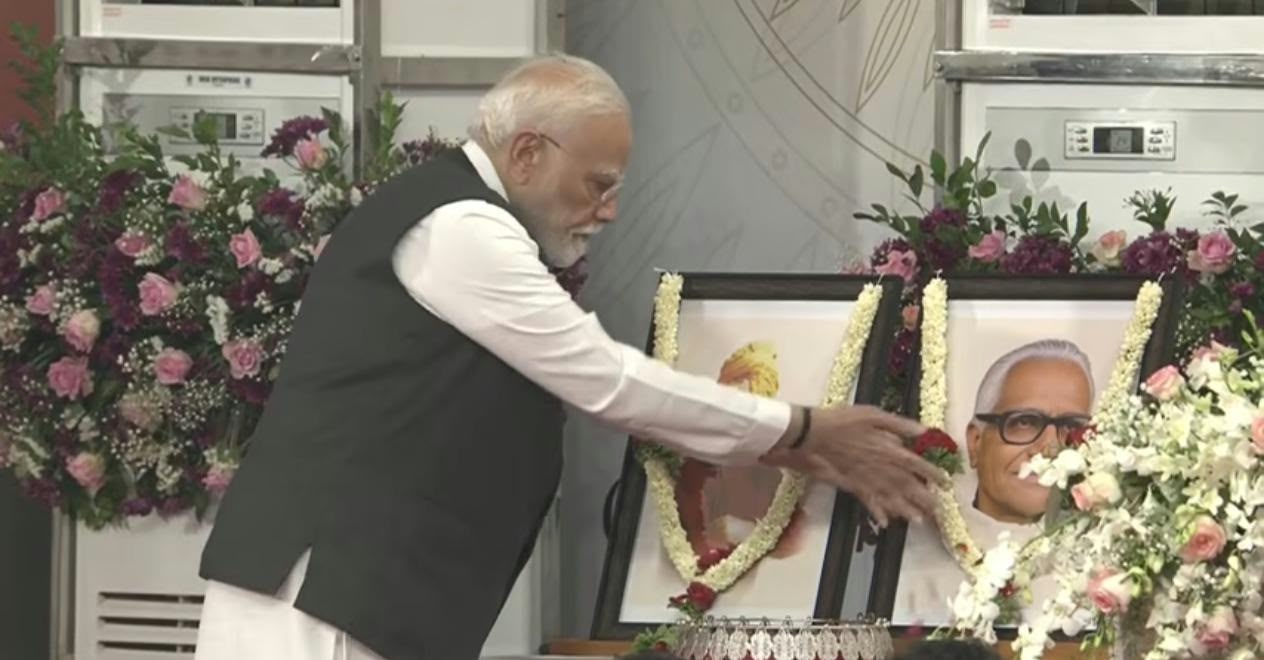
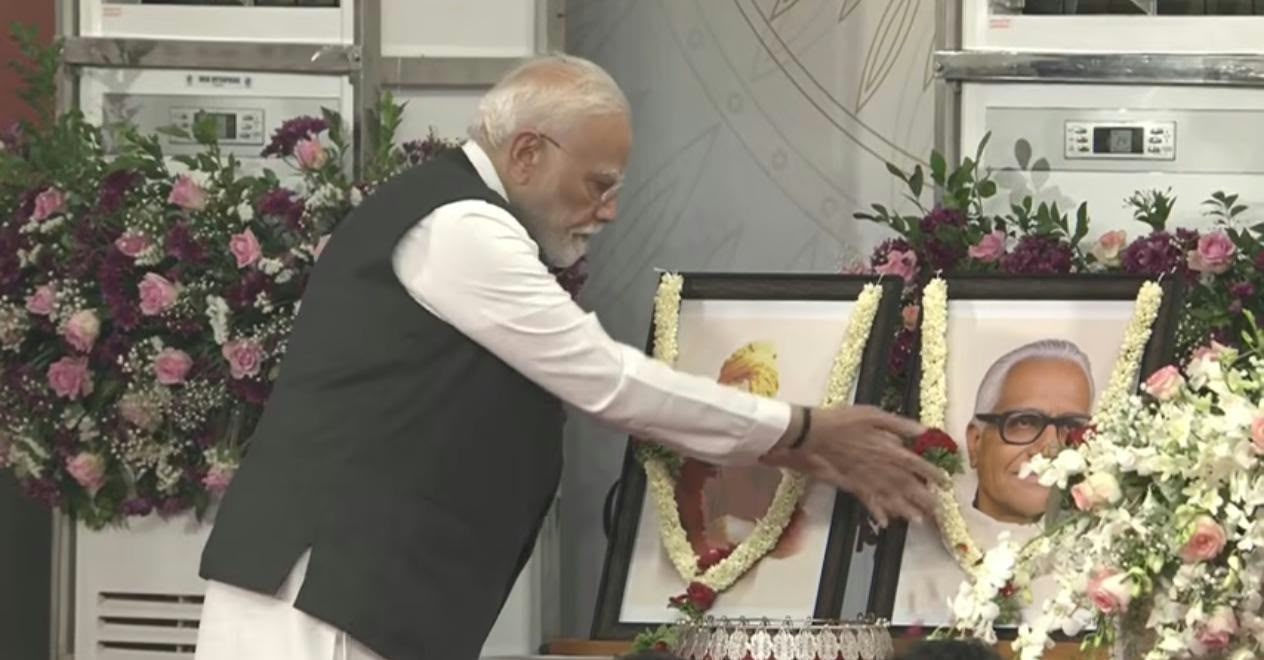
Prime Minister Narendra Modi attended the function and digitally laid the foundation stone for the proposed golden jubilee administrative block of S-VYASA and launched its Thiruvananthapuram campus.
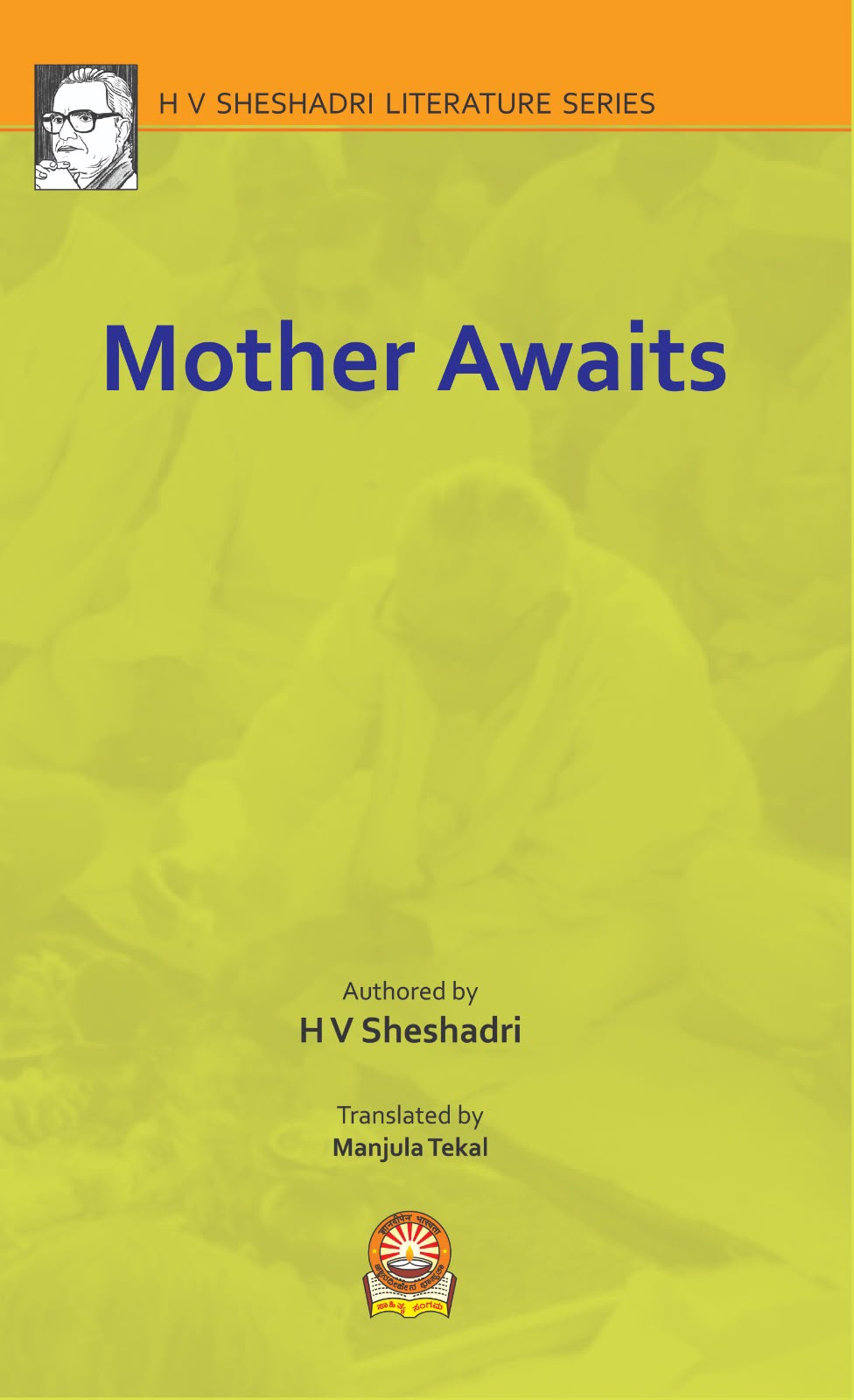
HV Sheshadriji’s Literature English Translations – Six Books were released by Prime Minister Narandra Modiji, published by Sahitya Sangama.
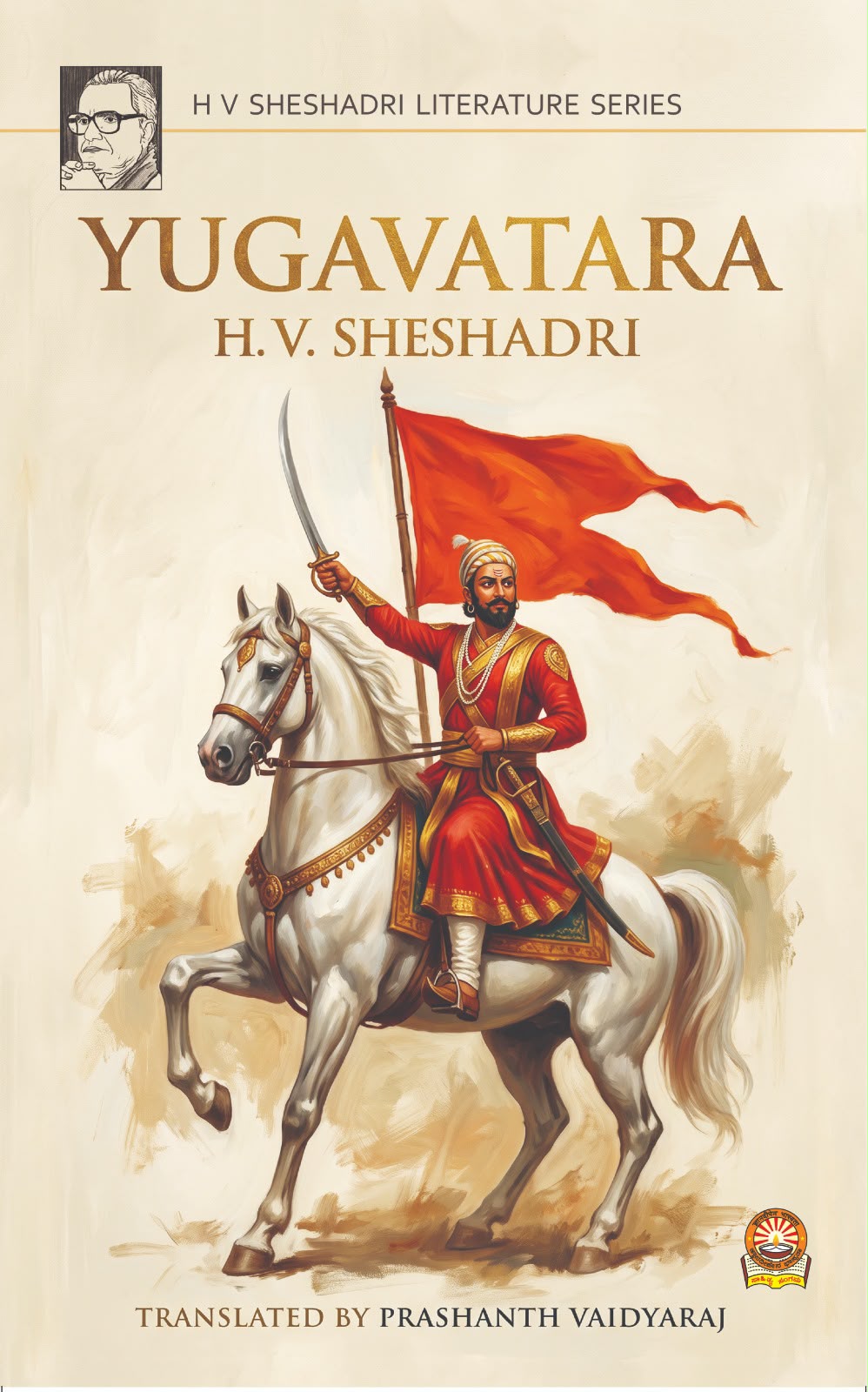
1.YUGAVATARA
YUGAVATARA, a historical novel by H. V. Sheshadri, chronicles the inspiring vision, valour, and enduring legacy of Chhatrapati Shivaji Maharaj in the establishment of Hindavi Swaraj. Originally written in Kannada, the work has been translated into English by Prashanth Vaidyaraj.
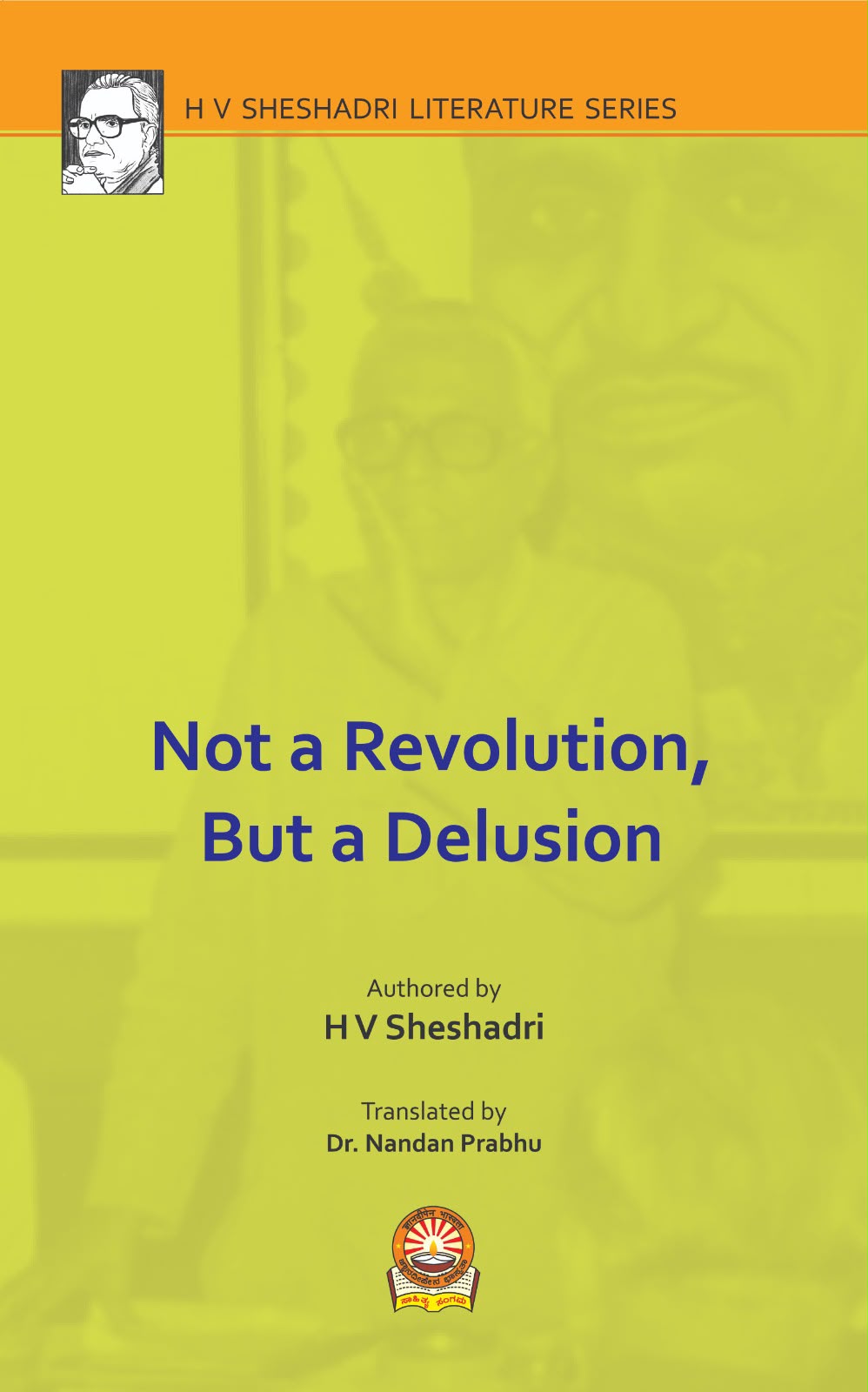
2.Not a Revolution, but a Delusion
Not a Revolution, but a Delusion is the English translation of H. V. Sheshadri’s Kannada work, Krantiyalli Bhranti, by Dr Nandan Prabhu. It examines the promises and realities of Communism, exploring its ideology, methods and impact on individual freedom, national identity and society. This thought-provoking collection encourages readers to look beyond political promises and critically examine their consequences.
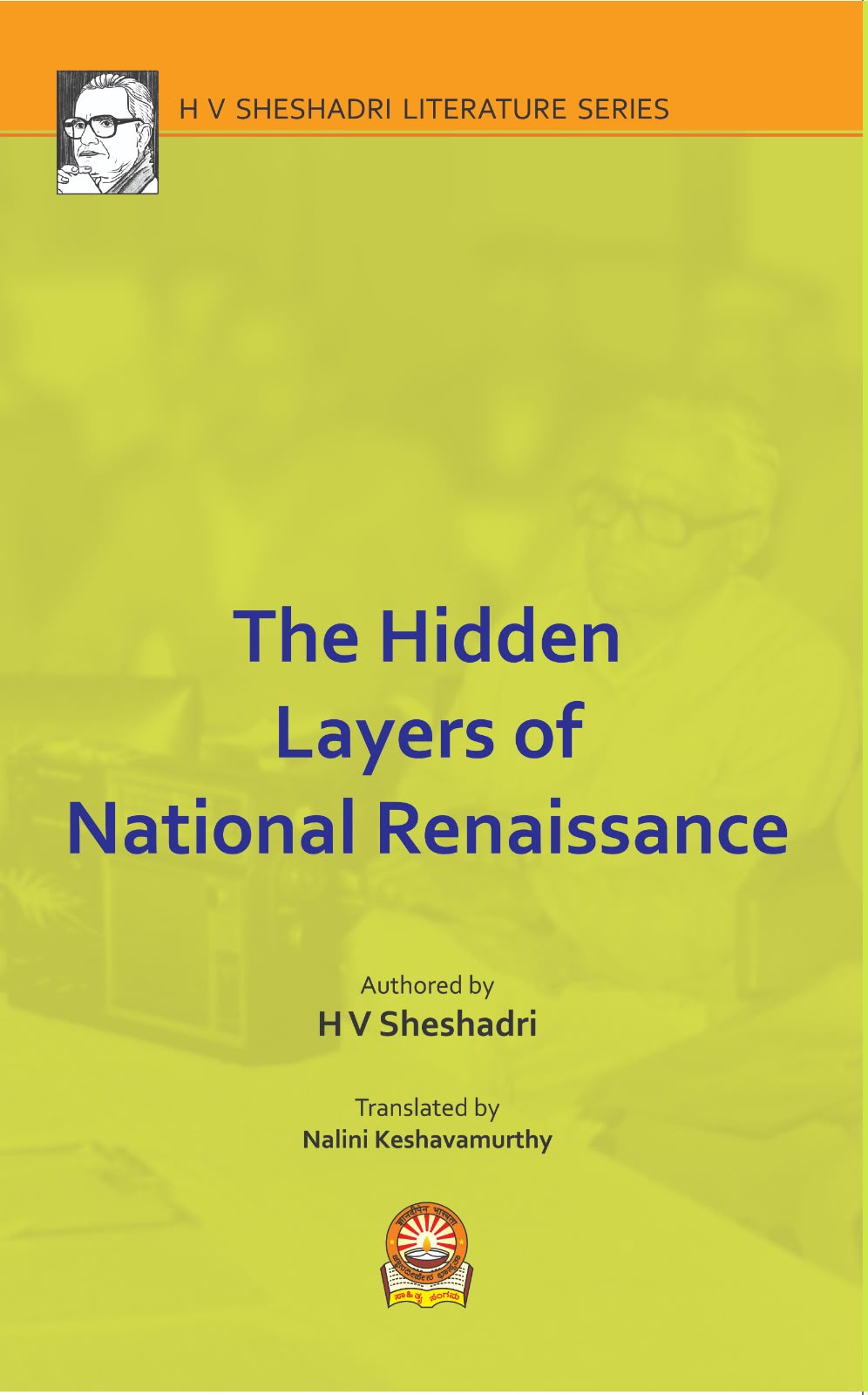
3.The Hidden Layers of National Renaissance
The Hidden Layers of National Renaissance: Originally authored in Kannada by H. V. Sheshadri under the title Navanirmanada Olapadaragalu, this work is presented in English translation by Nalini Keshavamurthy. Through a thoughtful exploration of individual character, cultural heritage, education and social responsibility, the essays examine the fundamental values and inner foundations essential to national reconstruction.
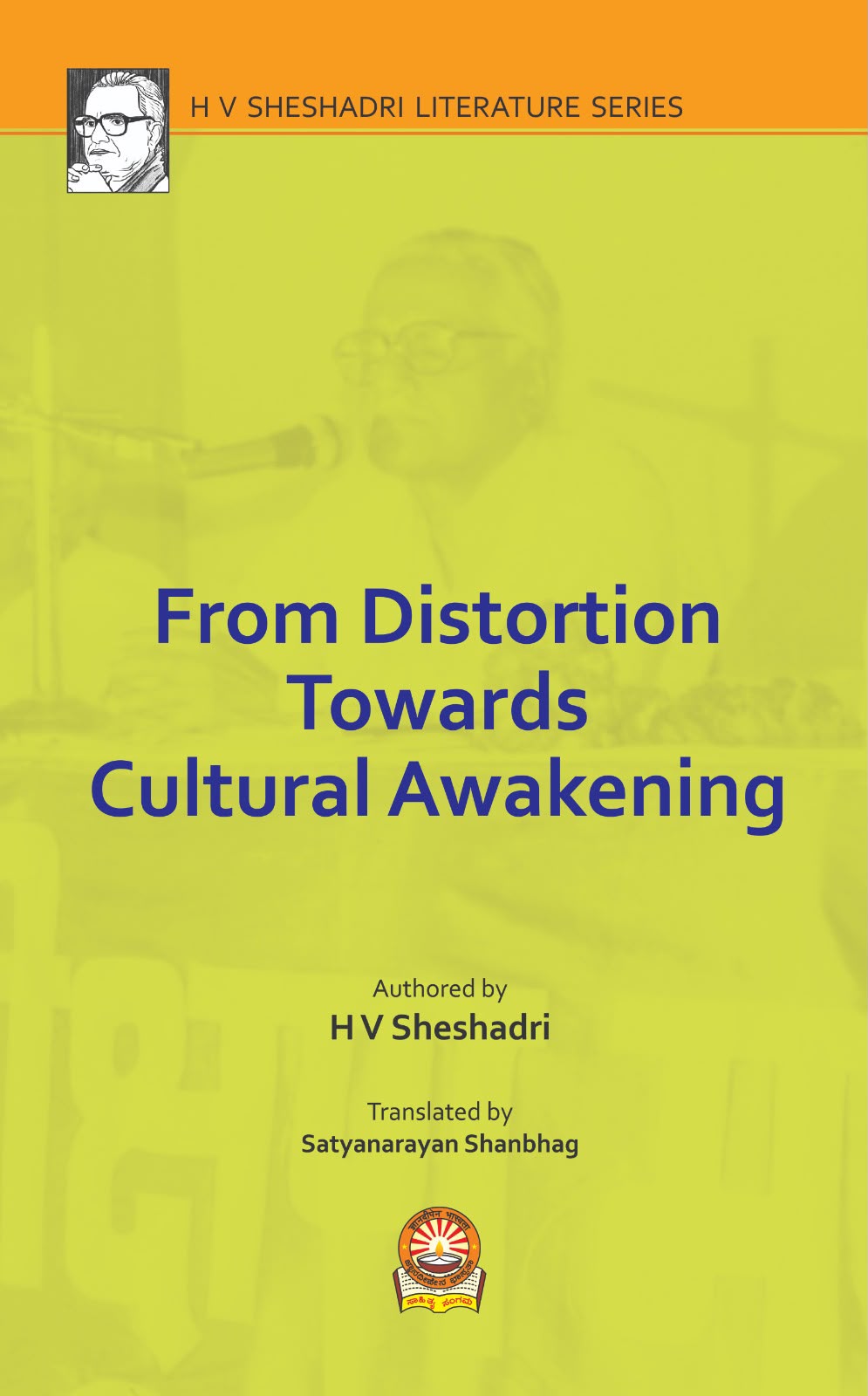
4.From Distortion Towards Cultural Awakening
“From Distortion Towards Cultural Awakening” is the English translation of H. V. Sheshadri’s Kannada work, Vikrutiyinda Samskrutiyedege, rendered by Satyanarayan Shanbhag. The book examines misconceptions surrounding Bharatiya society, culture and Hindu thought, highlighting the enduring values of Dharma, social responsibility and National life as foundations for cultural renewal.
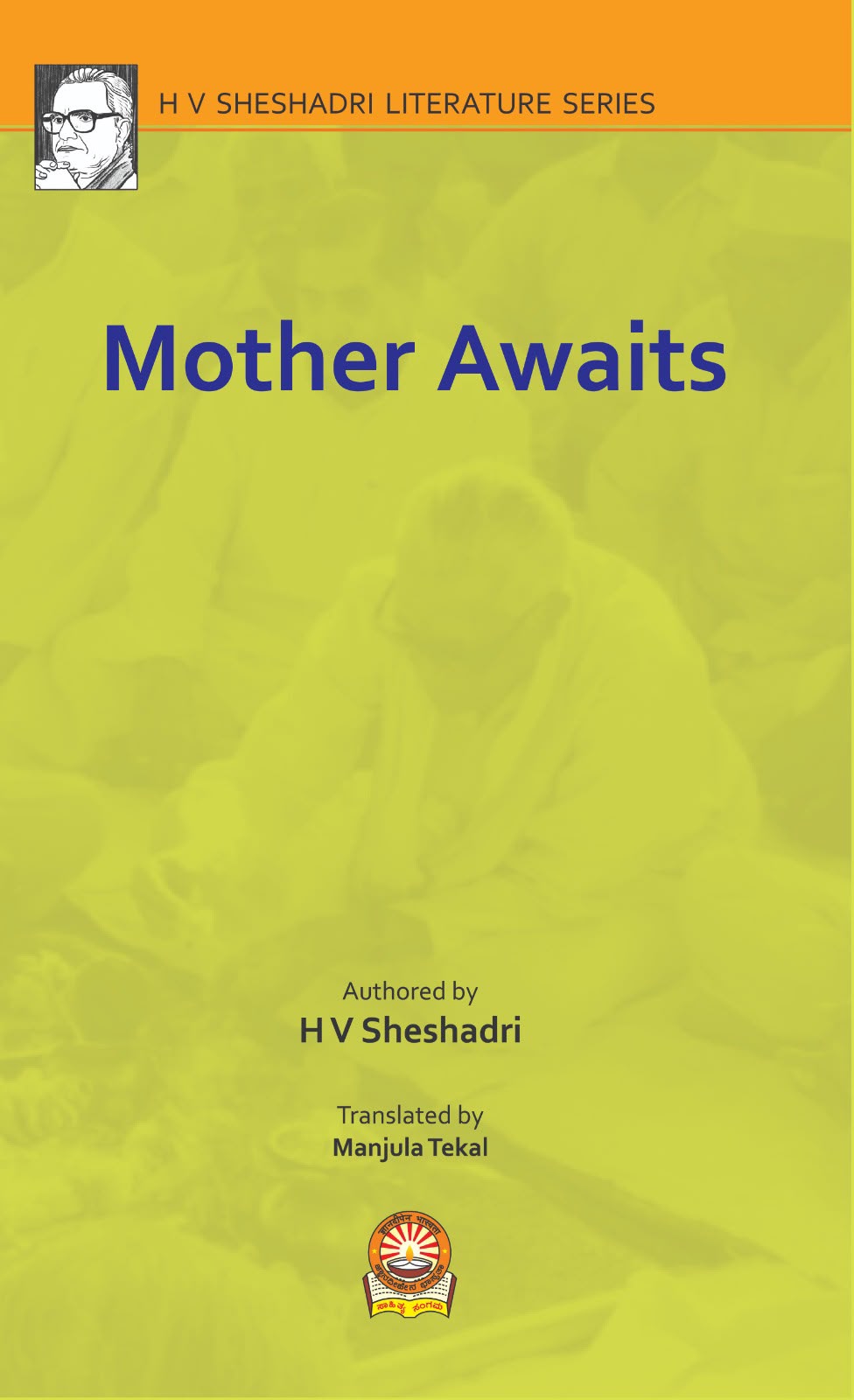
5.Mother Awaits
Mother Awaits: Originally composed in Kannada by H. V. Sheshadri under the title Tayi Kadihalu, translated into English by Manjula Tekal, this volume brings together fifteen essays exploring the enduring values of national consciousness, cultural heritage, individual character and Dharma, and their significance in shaping the destiny of the nation.
6.The Mirage and Reality
The Mirage and Reality : Originally authored in Kannada by H. V. Sheshadri under the title Mrugajala Nijajala, this collection of essays is presented in English translation by Satyanarayan Shanbhag as The Mirage and Reality. Through a discerning exploration of human nature, cultural values, ethics and contemporary civilisation, the work examines the deeper truths that shape individual life and national consciousness.