An Article by Kusuma, Student, Chanakya University
The year was 1919. A 19-year-old boy from an Amritsar orphanage stood inside Jallianwala Bagh as General Dyer’s troops opened fire on a crowd of thousands — unarmed, unsuspecting, gathered simply for Baisakhi. When the guns finally fell silent, over a thousand lay dead. The boy survived. And somewhere in that blood-soaked garden, a clock started ticking.
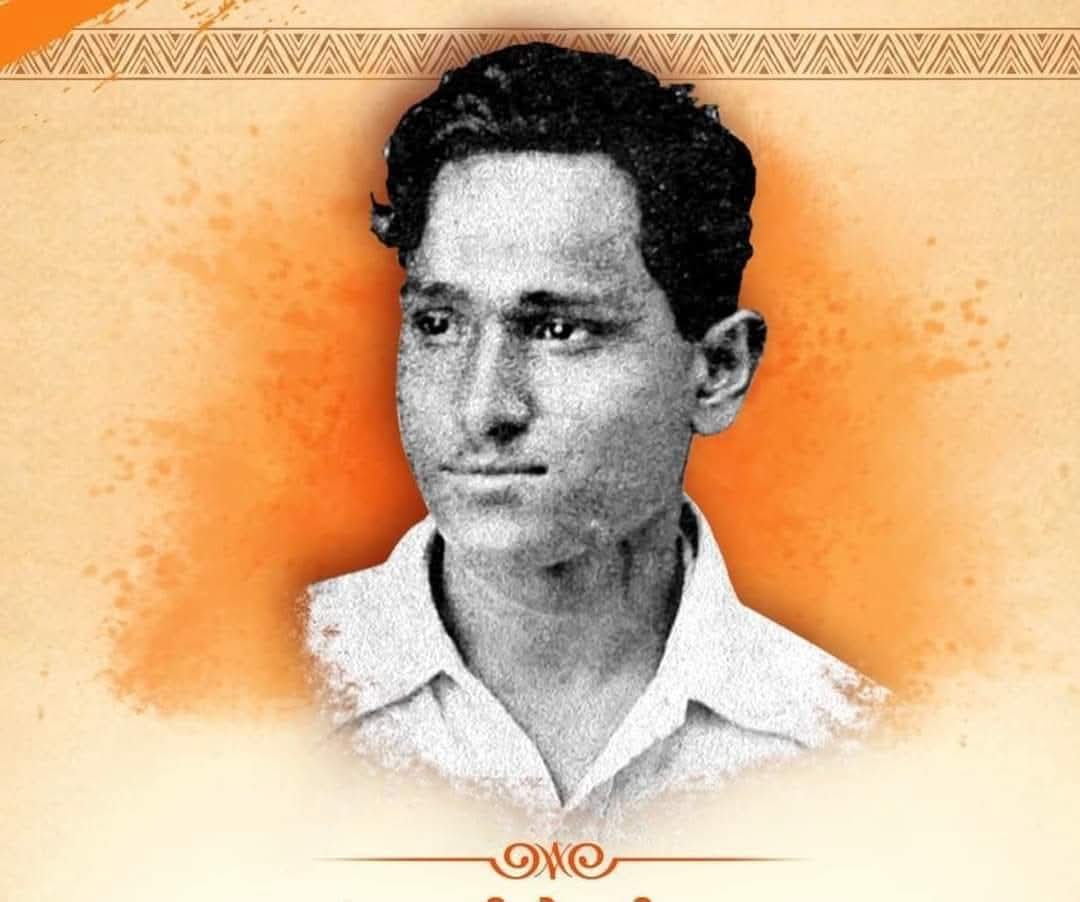
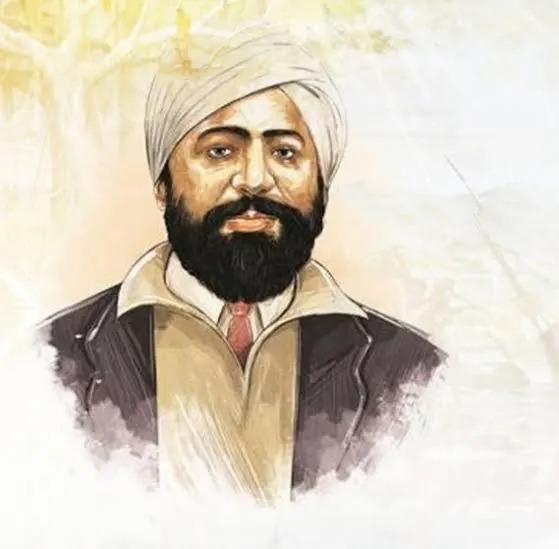
That boy was Udham Singh.
Sher Singh (Later Udham Singh) was born in 1899 in Sunam, Punjab, he had already made peace with loss long before the British forced it upon a nation. His mother died when he was three. His father collapsed on a roadside when he was eight. Raised inside a Khalsa orphanage, he was rechristened “Udham” — meaning ‘the upheaval’. It turned out to be less a name, more a prophecy.
After Jallianwala Bagh, Udham Singh didn’t weep and move on. He ‘planned’. Over two decades, he crossed Africa, America, and Europe — carrying a carpenter’s tools in one hand and a revolutionary’s fire in both. He linked arms with the Ghadar Party and the HSRA, studied the men responsible, and waited. Not out of cowardice. Out of precision.
Twenty-one years later, on 13 March 1940, at Caxton Hall in London, Singh confronted Michael O’Dwyer, the former Lieutenant-Governor who had supported the Jallianwala Bagh massacre. In a moment that carried the weight of two decades, Singh fired the shots that ended O’Dwyer’s life
At trial, he gave his name as ‘Ram Mohammad Singh Azad.’ Hindu, Muslim, Sikh, Free. Four words that said everything his bullet couldn’t.
In court, he declared, “I did it because I had a grudge against it. I don’t care. I don’t mind dying. What is the use of waiting?”
He was hanged on 31 July 1940. India was freed seven years later.
Here is what history books often skip: Udham Singh wasn’t driven by hate — he was driven by ‘memory.’ There’s a difference. Hate burns out. Memory doesn’t. He didn’t just avenge a massacre; he proved that justice, however long it takes, has a way of finding its address. The empire called it murder. History called it otherwise.