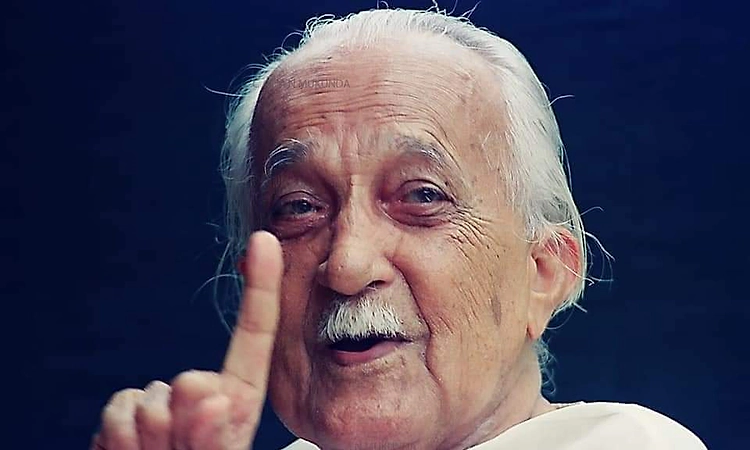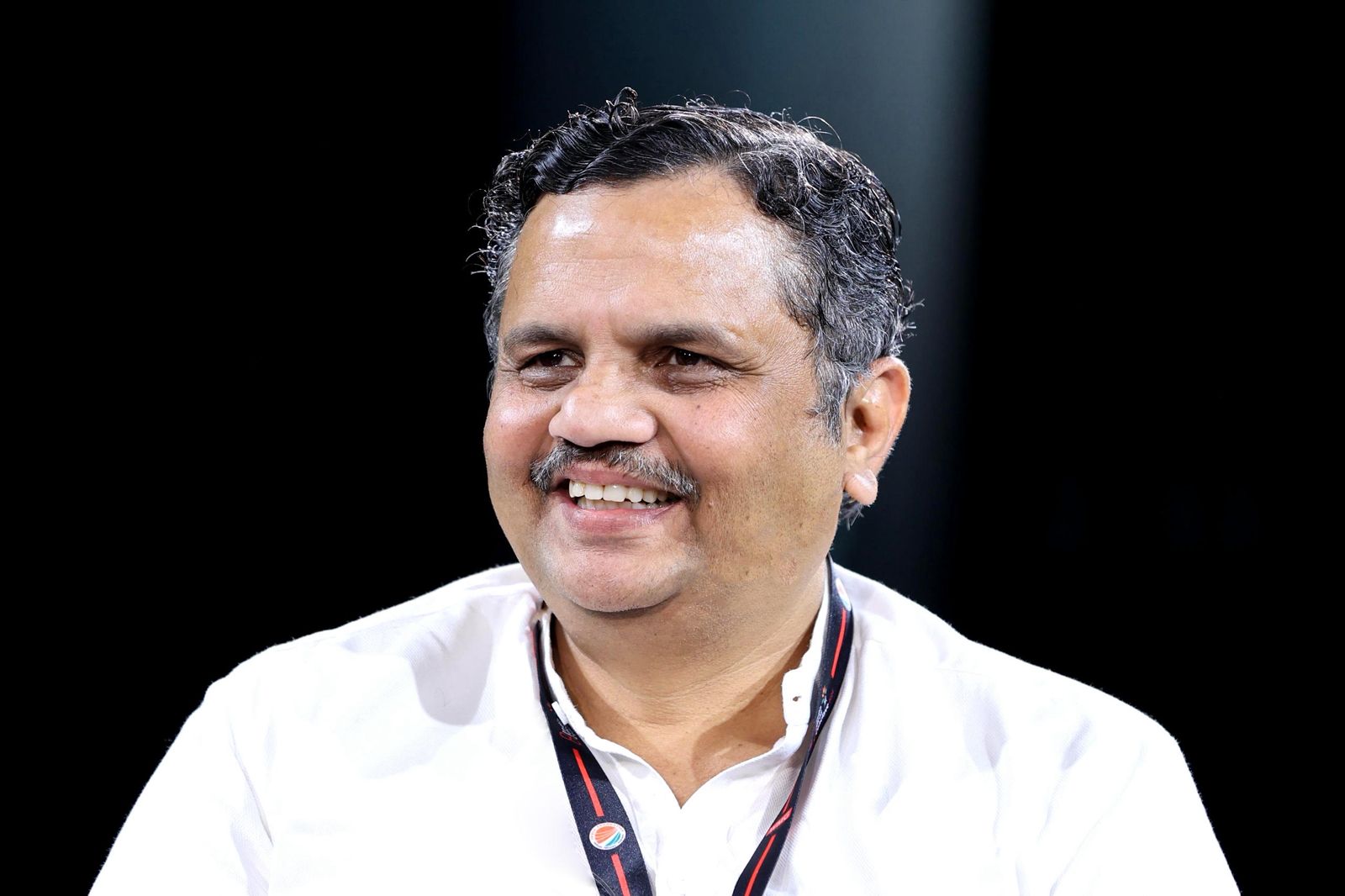
Mukunda C R speaks about the Rashtriya Swayamsevak Sangh’s unfinished tasks, expansive outreach, and global engagement. He reflects on how the Sangh views criticism and its efforts to connect with communities that feel alienated
Source: Interview given by RSS Sah Sarakaryavah Mukunda CR to Deccan Herald. https://www.deccanherald.com/opinion/wests-misreading-of-rss-is-partly-ignorance-partly-residue-of-a-colonised-viewpoint-mukunda-c-r-3998015
10 May 2026: Mukunda C R, Sah Sarkaryavah (Joint General Secretary) of the Rashtriya Swayamsevak Sangh , speaks about the organisation’s unfinished tasks, expansive outreach, and global engagement. He reflects on how the Sangh views criticism and its efforts to connect with communities that feel alienated. Excerpts from an interview:
What does the centenary signify for the RSS, and how are you marking it beyond numbers?
The centenary is not just a milestone, but a checkpoint. We still have ‘miles to go’. Completing 100 years affirms that we have walked the path envisioned by our founder, Dr Keshav Baliram Hedgewar, and achieved meaningful outcomes. Yet, the ground-level task of organising Hindu society remains unfinished. Beyond numbers, the centenary year is marked through Panch Parivartan — a five-fold social transformation initiative: promoting social harmony, strengthening family values, encouraging an ecofriendly lifestyle, fostering self-reliance rooted in indigenous identity, and emphasising civic duties.
This translates into large-scale outreach: ~40,000 conferences, household contact drives, and block-level meetings across castes and communities, and public interactions with eminent personalities in nearly every district. Special lecture series by Sarsanghachalak Mohan Bhagwatji were held in major cities such as Delhi, Bengaluru, Mumbai, and Kolkata.
How do you measure impact — by shakha growth, social service, or intellectual engagement?
All three matter, but shakha numbers are not the sole yardstick. Impact is measured by the change in society — whether a Swayamsevak’s character carries into family, neighbourhood, and nation. The metrics include: the spread of shakhas, the quantum of seva work, expansion of RSS-inspired social initiatives and organisations, and intellectual reach via publications and academic interactions. Impact is judged by what swayamsevaks build outside the shakha.
How would you describe the RSS’ overseas presence, especially among the Indian diaspora? Overseas work runs under a separate organisation, -the Hindu Swayamsevak Sangh, inspired by RSS philosophy . It now operates in 70+ countries with around 1,600 shakhas across five continents. The focus is cultural foundations, service, and community organisation. As Sarkaryavah Dattatreya Hosabale ji recently said in the United States, along with these three, we expect our diaspora to be loyal to local societies and values of their respective countries.
What purpose do overseas engagements with universities and think-tanks serve? Is this a shift from community outreach to intellectual diplomacy?
They add a new layer rather than replace community outreach. Diaspora shakha work continues; the new layer is the intellectual outreach. This need was felt because many, especially in the West, do not fully understand Bharat, and that gap can no longer be left to others to fill. These engagements with universities, think-tanks, and embassies aim to achieve three objectives: correct decades of misrepresentation, present the RSS’ civilisational perspective on Hindu identity, and foster people-to-people exchanges so that the message of ‘one-globe, one-family’ is felt. Examples include the Delhi centenary lecture series in August, attended by diplomats from over 50 embassies; the Bengaluru programme in November with invitees from 16 countries; and Hosabale ji’s engagements in Europe and the US.
How do you respond to critics who see this as image management?
A century of work and lakhs of swayamsevaks cannot be reduced to PR. We believe that our work will speak for itself. The counter to the ‘image management’ charge is an invitation, not a defence: come into the shakha, witness the work, then form an opinion. Honest criticism deserves answers; motivated attacks do not.
Are more such interactions planned?
Yes. University and think-tank engagements, plus meetings with policymakers, intellectuals, and media personalities in over 50 countries are scheduled this year, and will continue beyond the centenary. Recently, while in the US, Dattatreya Hosabale said that there is a misconception that the RSS is “some Indian version of the Ku Klux Klan”.
Why do you think such comparisons persist, and how do you counter them?
They persist due to decades of narrative framing that paints the RSS as Hindu-supremacist or anti-minority. Western audiences often encounter the RSS through that lens first, and not through its work. Our counter, as articulated at Hudson, rests on three pillars: Hindu philosophy, India’s history, and our conduct. We rebut factually in opinion-shaping venues, not through tit-for-tat arguments with every critic.
Do Western academia and media misunderstand the RSS’ civilisational framing of Hindu identity?
Yes — and this is one of the reasons why we started our global outreach efforts. Western frameworks read ‘Hindu’ as a religion or as an ‘-ism’, which is a colonial translation. In truth, it is an inclusive civilisational sensibility, not a closed creed. This misreading is partly ignorance and partly the residue of a ‘colonised viewpoint’.
How does the RSS engage with institutions like the US Commission on International Religious Freedom that accuse it of violating religious freedom? Do you see dialogue as possible, or is rejection the only stance?
The Government of India has questioned USCIRF’s credibility, and we see the 2026 report as part of a pattern. Our stance is not blanket rejection of dialogue, but rejection of one-sided views.
Do international reports affect the RSS’ global perception?
In the short term, they shape headlines and may generate slight traction abroad — the USCIRF 2026 sanctions recommendation, for instance, was cited internationally and quoted by domestic critics. We acknowledge this. But long-term perception follows ground reality. Sustained work, diaspora visibility, and direct intellectual engagements like the recent Hudson Institute, Stanford University interactions or Bhagwat ji’s meetings with representatives of different nations will gradually shift the global lens. Reports influence perception; they do not settle it.
Who do you believe drives the narrative against the RSS, and how do you distinguish between legitimate critique and motivated campaigns?
We’ve identified three groups: those in Indian academia and media who have been influenced by the ‘Macaulay system’; ideological currents abroad, and; political opponents in India who exploit caste and faith divisions. The intention and openness to facts can help distinguish honest critique from motivated campaign. As Bhagwat ji says about an anecdote from Balasaheb Deoras: the same question about RSS-BJP ties has three different answers depending on whether the person who asked the question wanted to understand, or provoke, or attack.
How will the centenary be used to foster dialogue within India, especially with communities that feel alienated by the RSS?
Internal dialogue is the centrepiece of the centenary year. Our engagement and dialogue with well-meaning and likeminded individuals and groups have increased the confidence to our grassroots-level cadre. We will continue this. Structured dialogues with Muslim and Christian leaders have begun. The centenary message is simple: more than assertion, it’s about listening, sitting together, and erasing the fault lines deepened by colonial and post-colonial politics.